
Europe · Window Manufacturer
UNILUX
🇩🇪 Germany · Last reviewed by Justin Orloff
Quick Facts
founded
1955
hq
Salmtal, Germany
primaryMaterials
Wood, wood/aluminium, uPVC, uPVC/aluminium
glazingPartner
In-house
marketTier
Premium
Brand at a Glance
- Founded: 1955
- HQ: Salmtal, Germany
- Market position: Premium German window manufacturer - 'Made in Germany' with 500+ specialist partners
- Frame materials: Wood, wood/aluminium, uPVC, uPVC/aluminium
- Glazing: Triple glazing standard on premium ranges. Ug 0.5 W/m2K on FineLine systems. KlimaTherm, PrimaTherm, SupraTherm glazing tiers. Soundproofing up to 46 dB.
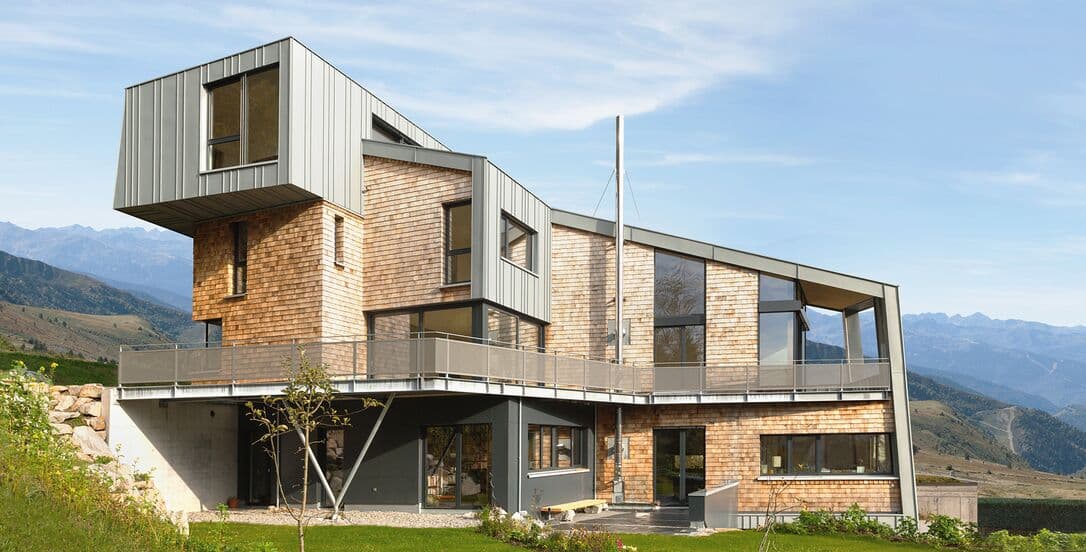
- Key ranges: LivingLine, ModernLine, DesignLine, PureLine (wood/alu), IsoStar, IsoPlus (uPVC), OpenView (panoramic corners), FineLine (glass facades), JumboLine (large-format doors)
- Warranty: 10-year surface guarantee on wood windows (maintenance-conditional, per Remmers guidelines)
- Where they sell: Germany (primary), Europe, Australia, North America via specialist partners
- Official care page: unilux.de/de/downloads (Pflege- und Wartungsanleitung WE 417)
- Find a specialist partner: myunilux.com/en-US/find-a-specialist-partner
Product Range
- LivingLine / ModernLine / DesignLine
- PureLine
- IsoStar / IsoPlus
- OpenView
- FineLine
- JumboLine
Why This System
Four frame materials under one brand - wood, wood/aluminium, uPVC, and uPVC/aluminium - each with different cleaning tolerances. OpenView and FineLine produce enormous uninterrupted glass surfaces where streaks that would be invisible on a small window are visible across an entire glass wall. Wood surfaces require repainting or recoating at documented intervals - as frequently as every year on exposed exteriors with transparent light finishes. Aluminium cladding must not be cleaned when the surface is hot. pH-neutral, non-abrasive cleaners with no solvents only. The 10-year surface guarantee on wood windows follows Remmers maintenance guidelines - if you cannot show you maintained the windows properly, the guarantee falls away.
Step 1 of 2: Manufacturer Recommendations
Official Care Guidance
Source: UNILUX OFFICIAL CARE (Pflege- und Wartungsanleitung WE 417, unilux.de/de/downloads)
Glass
- Clean glass surfaces regularly with a commercially available neutral glass cleaner and plenty of water.
- Use a soft cloth or professional squeegee. No abrasive tools on glass surfaces.
- Remove adhesive labels from glass within 14 days of installation - delayed removal becomes difficult or impossible.
Wood Frames
- Do not clean newly coated wood surfaces for the first 6 to 8 weeks after finishing.
- Clean twice yearly using the care kit provided by UNILUX (cleaner and polish).
- After cleaning, apply wood care balm with a soft, lint-free cloth. This creates a water-repellent and dirt-repellent finish.
- Apply care balm twice per year to maintain protection.
- Avoid intensive dry rubbing on wood surfaces.
- Inspect lower cross-sections and rain drainage slopes carefully during maintenance - these areas take the most weather exposure.
Aluminium Frames
- Clean a minimum of twice per year with pH-neutral, non-abrasive cleaners containing no solvents.
- Do not clean aluminium surfaces in direct sunlight or when the surface temperature is elevated.
- After cleaning, the surface benefits from a conservation treatment to maintain the finish.
- Alkaline leachate from fresh plaster, concrete, or facade materials causes irreversible damage to aluminium. Remove immediately if contact occurs.
uPVC Frames
- Clean with lukewarm water and mild pH-neutral detergent.
- Never let cleaning product residue dry on uPVC surfaces. Residue burns into the plastic permanently.
- Avoid solvent-based or abrasive cleaners on uPVC.
Hardware
- Check the seating of all fastening screws at least once per year and retighten as needed.
- Lubricate all moving hardware parts at least once per year.
- In high-stress environments (schools, hotels, coastal locations, wind-blown sand) increase maintenance to twice per year.
- Handle levers must remain in three positions only - vertical up, horizontal, or vertical down. Intermediate positions cause malfunction.
Gaskets and Seals
- Remove gaskets before any painting or recoating work to prevent paint contamination.
- Clean gaskets at least once per year. They are essential for thermal insulation, sound insulation, and weather sealing.
- Inspect gaskets annually for porosity or compression. Replace porous seals promptly.
Drainage
- Check drainage channels and weep holes for blockages during annual maintenance.
- Blocked drainage forces water back into the frame cavity, damaging wood from the inside and accelerating hardware corrosion.
Step 2 of 2: The Orloffs Protocol
The Orloffs Protocol
This is how I clean UNILUX windows. The tools and technique below come from 25 years of daily professional work on the glass. Every step has been tested on real installations and adapted specifically for UNILUX systems.
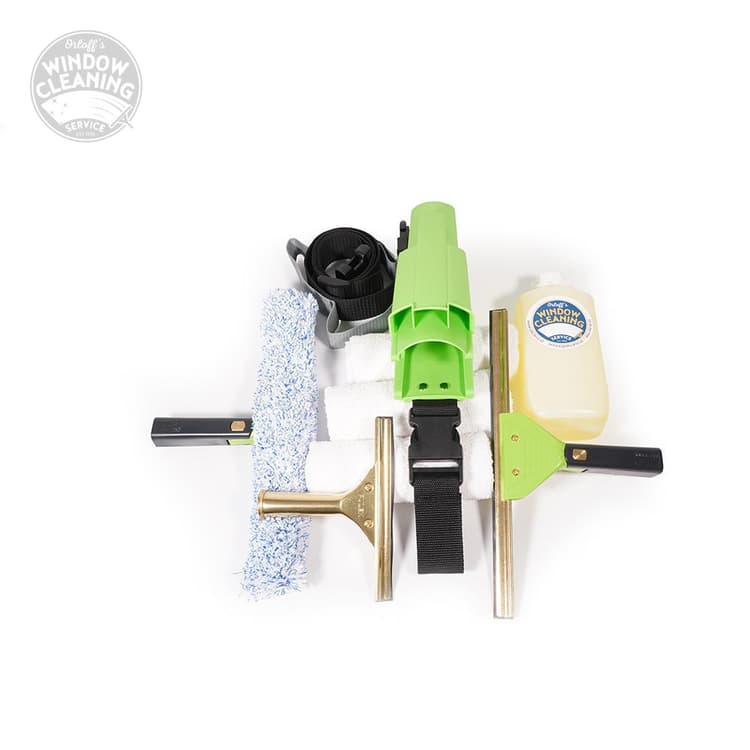
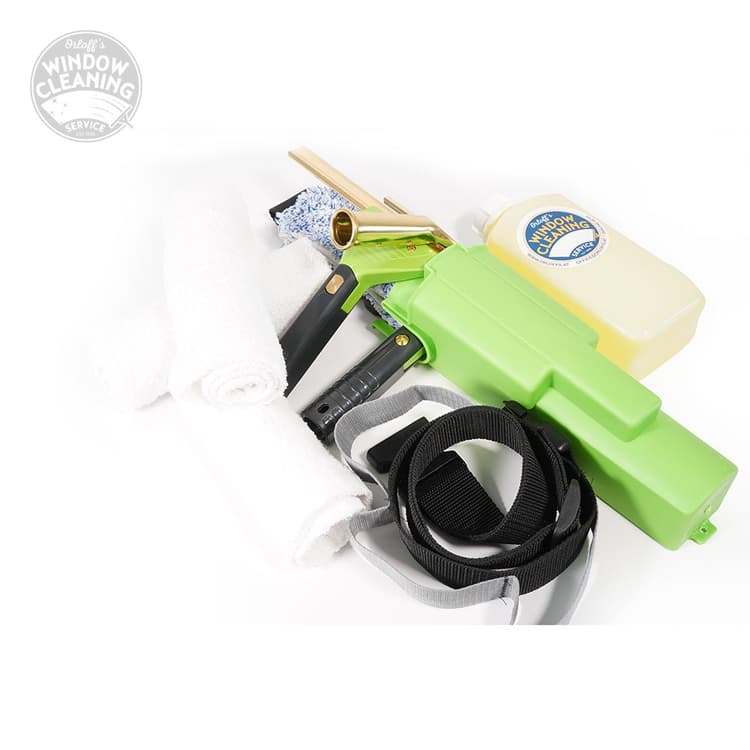
Pro Tools
My daily tool list. This is what I carry to every job.
Follow these steps in order. Each one builds on the last. This is the same sequence I use on every UNILUX installation.
- 1
Detail the frame before touching the glass
Before touching the glass, wipe down the window frame edges with a damp microfibre cloth. On wood frames, use only mild soap water and dry promptly - never leave moisture sitting on lacquered timber. On aluminium cladding, check that the surface is not hot from sun exposure before starting.
This removes the dust, pollen, and grime sitting on the frame edge. If you skip this, the squeegee picks up that dirt and drags it across the clean glass as a streak.
- 2
Agitation
Dip your T-bar applicator into the soap water on both sides. Apply the solution across the entire glass area using overlapping strokes. The goal is to dissolve the dirt so the squeegee can shave it away cleanly.
On UNILUX OpenView and FineLine installations, the glass area can be enormous. Work in sections if the panel is wider than your arm span, but keep the edges wet.
Never clean in direct sunlight. On large-format UNILUX glass, the soap water starts drying before you reach the other side. On wood frames, dried soap residue penetrates the lacquer. On uPVC, it burns into the plastic permanently.
- 3
Detail the frame edges before squeegeeing
Once the glass is agitated, run a dry corner of your cotton rag along the top edge and both side edges. This removes pooled soap water from the frame edge before you squeegee, preventing drip-back onto clean glass.
- 4
The three squeegee turns
Side to side: start at the top edge with a dry rubber. Work across the glass in straight horizontal lines. Tilt the squeegee so soap water spills from only one side. Wipe the rubber dry after each pass. Overlap slightly into the next line down.
Top to bottom: same principle, working in vertical lines. Start in the top corner with a dry rubber. Tilt to direct water downward. Wipe dry after each pass. Overlap into the next line across.
The J tune (continuous motion): from top to bottom in one smooth, unbroken movement. Your thumb guides the rotation at the end of each horizontal pass. On wide UNILUX OpenView panels, the J tune is the only turn fast enough to finish before the soap water dries.
- 5
Final edge detailing
After squeegeeing, take a dry 100% cotton towelling rag, fold it to a clean corner, and detail the edges in one smooth pass.
Get your finger into the edge where the glass meets the frame seal. Remove any pooled soap water. On wood frames, this prevents moisture from sitting on the lacquer. On uPVC, it prevents burn-in. Rotate the rag so you are always using a clean, dry section.
- 6
Hardware and seasonal frame care
Once per year, lubricate all moving hardware parts with acid-free, resin-free oil. Check all fastening screws and retighten as needed.
On wood and wood/aluminium models, apply UNILUX's wood care balm to all timber surfaces after cleaning - two applications per year maintains the protective finish.
Clear all drainage channels and weep holes. Blocked drainage is the most common cause of hidden frame damage on UNILUX wood windows.
Pro Tips
- Identify your frame material before you start - wood, wood/aluminium, uPVC, or uPVC/aluminium. Cleaning tolerances differ.
- Never let cleaning product residue dry on uPVC frames - burn-in damage is permanent and irreversible.
- On wood frames, dry promptly after cleaning. Never leave moisture sitting on lacquered timber.
- On OpenView and FineLine installations, work fast - the J tune is the only turn fast enough to finish before soap water dries on large glass areas.
- The 10-year surface guarantee depends on following the Remmers maintenance schedule - keep records of all maintenance.
What NOT To Do
- Do not use aggressive or abrasive cleaners on any UNILUX surface - glass, wood, aluminium, or uPVC.
- Do not use solvent-based cleaners on uPVC or aluminium frames.
- Do not let cleaning product residue dry on uPVC frames. Burn-in damage is permanent and irreversible.
- Do not clean aluminium surfaces in direct sunlight or when the surface is hot.
- Do not use intensive dry rubbing on wood surfaces.
- Do not clean newly coated wood surfaces within the first 6 to 8 weeks after finishing.
- Do not leave adhesive labels on glass longer than 14 days after installation.
- Do not paint over any hardware components - this impairs their function.
- Do not leave handle levers in intermediate positions between vertical and horizontal - this causes mechanical malfunction.
- Do not allow alkaline leachate from fresh plaster, concrete, or facade materials to remain on aluminium - it causes irreversible surface damage.
- Do not skip annual hardware lubrication and screw checks.
- Do not use a pressure washer on any UNILUX window.
- Do not clean glass in direct sunlight - the soap water dries before you can squeegee it off.
- Do not neglect drainage channels - blocked weep holes cause hidden water damage inside the frame.
Bundle Kits and Tool Recommendations
Bundle Kit
Tool Recommendations
T-bar applicator with microfibre cover
View on Amazon [coming soon]Professional squeegee with fresh rubber blade
View on Amazon [coming soon]Bucket with lukewarm water + 1 drop of mild pH-neutral dish soap per litre
View on Amazon [coming soon]Cleaning Frequency
Glass and frames: 2x per year minimum (Quarterly near industrial areas, coastal locations, or high-pollution zones.). Aluminium cladding: 2x per year minimum (pH-neutral cleaners only. Do not clean when surface is hot.). Hardware lubrication and screw check: 1x per year (Twice per year in high-stress environments (schools, hotels, coastal, wind-blown sand).). Wood care balm application: 2x per year (Maintains the water-repellent and dirt-repellent finish on timber frames.). Gasket inspection and cleaning: 1x per year (Essential for thermal insulation, sound insulation, and weather sealing.). Drainage channel check: 1x per year minimum (Blocked weep holes cause hidden water damage inside the frame.). Wood frame recoating: Varies by finish and exposure (From annually (transparent light, extreme exposure) to every 5 years (opaque, sheltered). Consult the UNILUX repainting interval table.)
Frequently Asked Questions
Field Notes
“Glass and frames: twice per year minimum, quarterly in high-pollution or coastal environments. Wood care balm: twice per year on all timber surfaces to maintain the protective finish. uPVC frames: never let cleaning residue dry on the surface - burn-in is permanent. Drainage channels: check annually. Blocked weep holes are the most common cause of hidden frame damage. Hardware: annual lubrication and screw check. Twice per year in high-stress environments.”
Justin Orloff
What's next for you?
The Skill
New to window cleaning?
Start with the core techniques before tackling premium systems.
Start Learning →The Standard
Upskill your team
Covers every system, product type, and tricky scenario.
View The Standard →Manufacturer
Partner with Orloffs
Are you UNILUX or a similar manufacturer? Let's create official cleaning guidance together.
Get in Touch →