
Asia-Pacific · Window Manufacturer
Toyo Sash
🇯🇵 Japan · Last reviewed by Justin Orloff

Quick Facts
founded
Mid-twentieth century
hq
Japan (now LIXIL group)
primaryMaterials
Powder-coated and anodised aluminium profiles
glazingPartner
AGC, NSG specified per project
marketTier
Mass Market to Commercial (historical)
Brand at a Glance
- Country: Japan
- Peak market share: 30%+ of domestic Japanese aluminium building materials
- Current status: Absorbed into LIXIL Corporation (2011)
- Primary material: Powder-coated and anodised aluminium
- Building stock: Present in Japanese commercial and residential buildings from 1960s to 2000s
Product Range
- Commercial aluminium curtain wall
- Residential aluminium sash
- Entrance and shopfront systems
Why This System
The age of Toyo Sash installations is the primary variable. Systems from the 1970s and 1980s may use anodised aluminium finishes - less common in modern systems but widely used in Japanese commercial construction of that era. Anodised frames require pH-neutral products and no abrasives. Toyo Sash's dominant market position in its era means their systems were installed across every building type. Quality ranged from basic residential sash to high-specification commercial curtain wall. Identify which type you are working on before selecting your approach.
Step 1 of 2: Manufacturer Recommendations
Official Care Guidance
Step 2 of 2: The Orloffs Protocol
The Orloffs Protocol
This is how I clean Toyo Sash windows. The tools and technique below come from 25 years of daily professional work on the glass. Every step has been tested on real installations and adapted specifically for Toyo Sash systems.
Pro Tools
My daily tool list. This is what I carry to every job.
Pro Tips
- If you encounter Toyo Sash labels on an older Japanese commercial building, check with the building manager whether any previous cleaning-related issues have been documented - aged systems on commercial buildings sometimes have records of seal failure triggered by cleaning activity
What NOT To Do
- Do not use alkaline or acidic cleaners on anodised Toyo Sash frames
- Do not use abrasive pads on any finish type
- Do not pressure wash into seals on aged Toyo Sash commercial installations
Bundle Kits and Tool Recommendations
Bundle Kit
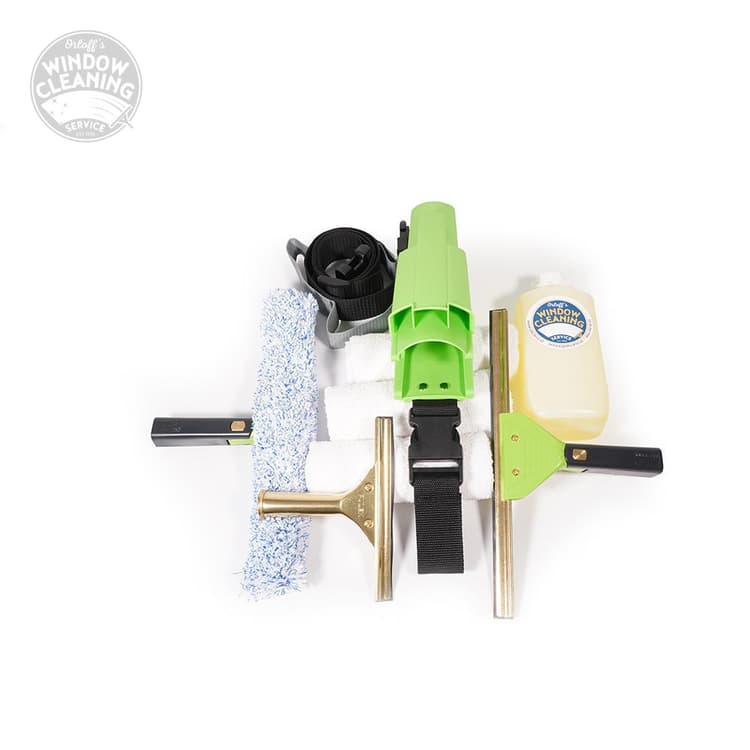
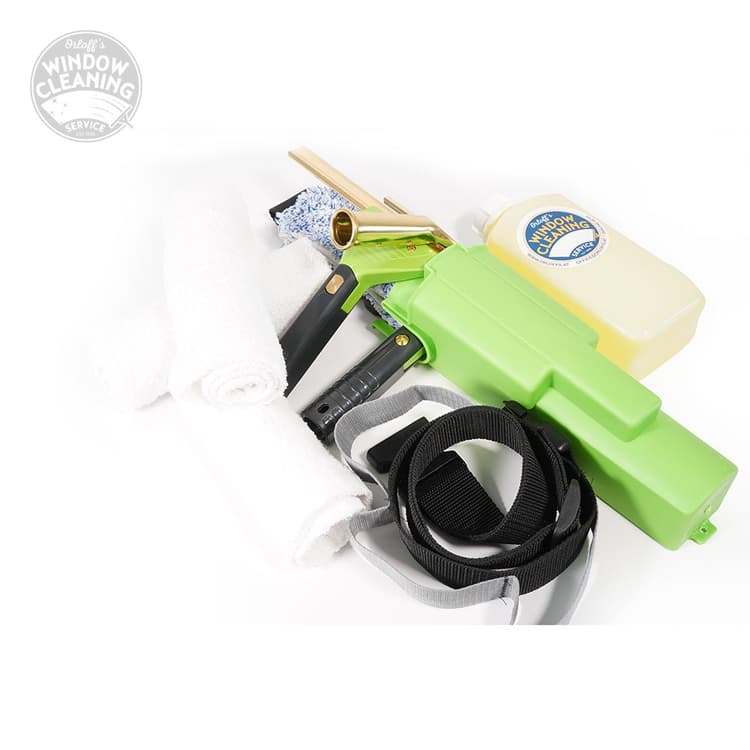
Tool Recommendations
pH-neutral glass cleaning concentrate
View on Amazon [coming soon]Microfibre T-bar applicator
View on Amazon [coming soon]Professional squeegee with fresh rubber
View on Amazon [coming soon]Cleaning Frequency
Clean every 4–8 weeks depending on environment.
Frequently Asked Questions
Field Notes
“Toyo Sash systems from the 1970s and 1980s represent a significant proportion of Japan's existing commercial building stock. Their age is the most important variable - treat pre-1990 installations with extra caution on pressure and chemical selection.”
Justin Orloff
What's next for you?
The Skill
New to window cleaning?
Start with the core techniques before tackling premium systems.
Start Learning →The Standard
Upskill your team
Covers every system, product type, and tricky scenario.
View The Standard →Manufacturer
Partner with Orloffs
Are you Toyo Sash or a similar manufacturer? Let's create official cleaning guidance together.
Get in Touch →