
Asia-Pacific · Window Manufacturer
Tateyama Advance
🇯🇵 Japan · Last reviewed by Justin Orloff
Quick Facts
founded
Division of Sankyo Tateyama Inc.
hq
Toyama, Japan
primaryMaterials
Aluminium profiles, glass panels, commercial display materials
glazingPartner
AGC, NSG specified per project
marketTier
Commercial Facilities
Brand at a Glance
- Country: Japan
- Parent company: Sankyo Tateyama Inc.
- Division focus: Commercial facilities and display products
- Primary materials: Aluminium profiles and glass
- Market: Commercial interiors and facilities, Japan
Product Range
- Commercial display systems
- Commercial facility products
Why This System
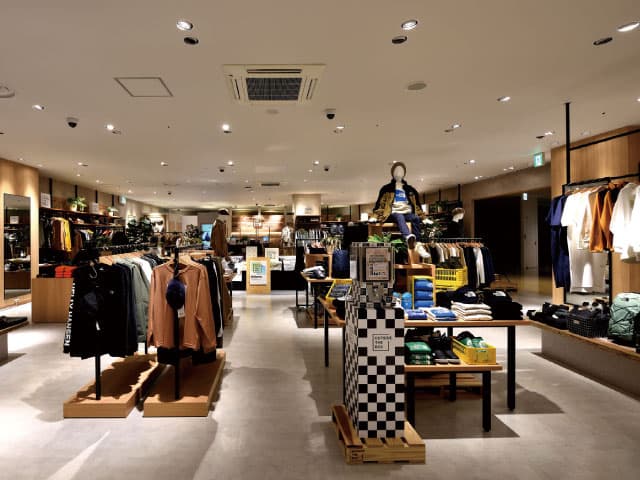
Tateyama Advance products in commercial spaces are often interior-facing - lobby display cases, partition glazing, commercial fitting frames. These surfaces face different soil types than exterior windows: fingerprints, interior dust, and cleaning product residue from building maintenance are the primary challenges rather than weather exposure.
Step 1 of 2: Manufacturer Recommendations
Official Care Guidance
Step 2 of 2: The Orloffs Protocol
The Orloffs Protocol
This is how I clean Tateyama Advance windows. The tools and technique below come from 25 years of daily professional work on the glass. Every step has been tested on real installations and adapted specifically for Tateyama Advance systems.
Pro Tools
My daily tool list. This is what I carry to every job.
Pro Tips
- On interior commercial display glass, spray the cleaning solution onto the T-bar rather than directly onto the glass - this prevents overspray onto display products below the glass
What NOT To Do
- Do not use abrasive pads on aluminium profiles or glass
- Do not use ammonia-based cleaners on interior display glass - ammonia leaves a haze on glass viewed at close range
- Do not use solvent-based cleaners on any aluminium profile
Bundle Kits and Tool Recommendations
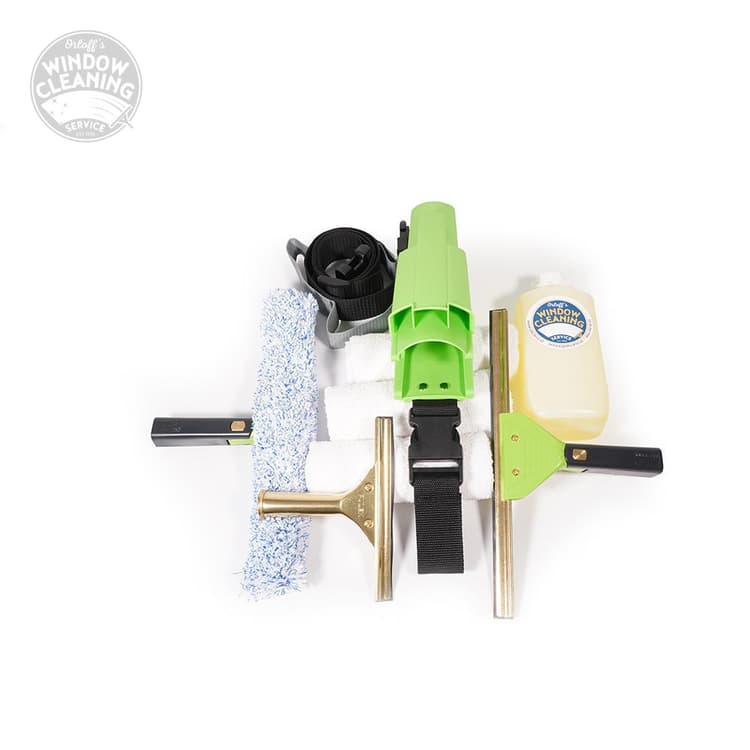
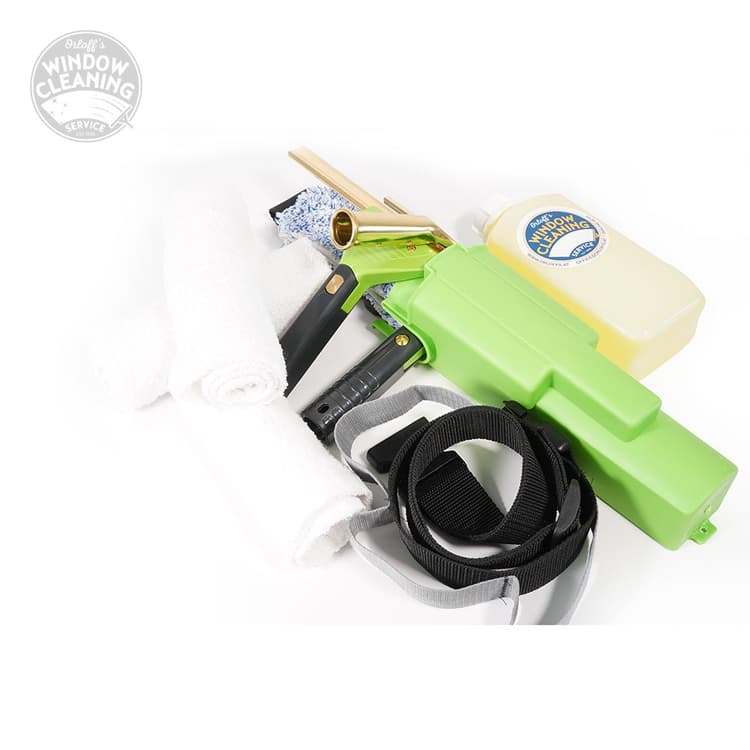
Bundle Kit
Tool Recommendations
pH-neutral glass cleaning concentrate
View on Amazon [coming soon]Microfibre T-bar and microfibre dry cloths
View on Amazon [coming soon]Professional squeegee 30 cm for interior panels
View on Amazon [coming soon]Cleaning Frequency
Clean every 4–8 weeks depending on environment.
Frequently Asked Questions
Field Notes
“Interior commercial display glass in Japanese retail and commercial spaces is typically cleaned at short intervals - daily or weekly in retail environments. Fingerprint and touch contamination is the primary soil type.”
Justin Orloff
What's next for you?
The Skill
New to window cleaning?
Start with the core techniques before tackling premium systems.
Start Learning →The Standard
Upskill your team
Covers every system, product type, and tricky scenario.
View The Standard →Manufacturer
Partner with Orloffs
Are you Tateyama Advance or a similar manufacturer? Let's create official cleaning guidance together.
Get in Touch →