Europe · Window Manufacturer
SULKO
🇨🇿 Czech Republic · Last reviewed by Justin Orloff
Quick Facts
founded
1993
hq
Zábřeh, Czech Republic
primaryMaterials
PVC (Synego/REHAU), composite (ARTEVO/REHAU RAU-FIPRO X), aluminium (ProfiAl)
glazingPartner
In-house - supplied with fabricated units
marketTier
Mid-premium Czech family manufacturer
Brand at a Glance
- Founded: 13 May 1993
- HQ: Zábřeh, Czech Republic
- Market position: Czech family-owned manufacturer of plastic, composite, and aluminium windows and doors
- Frame materials: PVC (Synego - REHAU profile), composite (ARTEVO - REHAU RAU-FIPRO X), aluminium (ProfiAl)
- Key ranges: Synego (PVC), ARTEVO (composite), ProfiAl (aluminium)
- Glazing: Double and triple glazed. Argon gas fill. Uw down to 0.66 W/m²K (Synego triple), Uw down to 0.77 W/m²K (ProfiAl triple). ARTEVO supports glazing units up to 72mm.
- Warranty: 20-year warranty on selected products
- Where they sell: Czech Republic and Central European markets
- Official care documentation: sulko.cz/sluzby/pece-o-produkty
- Service: sulko.cz/en/sluzby/servisni-sluzby
Product Range
- Synego (PVC)
- ARTEVO (composite)
- ProfiAl (aluminium)
Why This System
Three frame materials in one product range - PVC, composite, and aluminium each require different cleaning products. ARTEVO composite looks like aluminium but must be cleaned using PVC care rules - aluminium cleaning products are not appropriate for this surface. PVC and composite frames are permanently damaged by solvents, petrol, paint thinner, and non-neutral pH products - damage cannot be reversed. ARTEVO's large-format glazing (elements up to 2.8 metres height) means triple-glazed units are heavy - squeegee technique for large glass needs controlled consistent pressure. 20-year warranty on selected products is conditional on proper maintenance - contact SULKO for the specific maintenance conditions attached to your model.
Step 1 of 2: Manufacturer Recommendations
Official Care Guidance
Source: SULKO OFFICIAL CARE AND MAINTENANCE DOCUMENTATION
Glass
- Clean insulating glass with standard mild cleaning products and warm water.
- Fingerprints and grease stains can be removed with mild soap solutions.
- No abrasive cleaners, abrasive pads, or rough cleaning agents - these roughen the glass surface.
- No products containing sand or abrasive particles.
- No solvents, petrol, or paint thinner on glass surfaces.
PVC Frames (Synego range)
- Clean with standard cleaning products and warm water applied with a soft cloth.
- No products containing sand or abrasive particles.
- No abrasive cleaners or scouring pads - these permanently roughen the PVC surface.
- No petrol, paint thinner, acetic acid, nitro solvents, or any solvent-based products - these dissolve and permanently damage PVC.
- Do not use cleaning agents with a pH other than neutral - acidic or alkaline cleaners damage the PVC surface texture.
- Rinse thoroughly after cleaning.
Composite Frames (ARTEVO range)
- Clean with mild soapy water and a soft cloth.
- The same prohibitions as PVC apply - no solvents, no abrasives, no acidic or alkaline cleaners.
- Do not use products intended for actual aluminium on the ARTEVO composite surface - follow PVC care rules for this material.
- Contact SULKO directly for cleaning products approved for the ARTEVO composite surface.
Aluminium Frames (ProfiAl range)
- Clean with mild soapy water and a soft cloth.
- No abrasive cleaners or abrasive pads - these scratch the powder-coated finish.
- No strong alkalis or acids on the aluminium surface.
- Rinse with clean water after cleaning to remove soap residue.
Hardware
- Lubricate all moving parts with a drop of Teflon oil once to twice per year.
- Wipe excess oil immediately with a clean absorbent cloth - excess oil attracts dust.
- Check all hinges, locks, and handles annually for proper operation.
- SULKO offers a free adjustment service within 6 months of installation - use it to set hardware correctly from the start.
Gaskets and Seals
- Inspect seals and gaskets once per year for cracks, hardening, or gaps.
- Inspect after heavy storms.
- Clean seals with mild soapy water only - no solvents.
- If seals show significant deterioration, contact your SULKO installer for replacement.
Step 2 of 2: The Orloffs Protocol
The Orloffs Protocol
This is how I clean SULKO windows. The tools and technique below come from 25 years of daily professional work on the glass. Every step has been tested on real installations and adapted specifically for SULKO systems.
Pro Tools
My daily tool list. This is what I carry to every job.
Follow these steps in order. Each one builds on the last. This is the same sequence I use on every SULKO installation.
- 1
Clean the frame edges before touching the glass
Before squeegeeing, wipe all frame edges with a damp soft cloth and mild soapy water. Remove the accumulated dust, pollen, and grime from the frame surface.
When the squeegee rubber moves across the glass, it rides along the frame edge. Dirt on that edge gets picked up and dragged across the clean wet glass as a streak. Frame-first, every time.
For PVC and composite frames, make absolutely certain your cloth has no solvent residue from other cleaning tasks. Even trace amounts of solvent on a cloth can mark PVC surfaces.
- 2
Agitate the glass surface
Dip the T-bar applicator into the soapy water on both sides until fully saturated. Apply the solution across the entire glass surface using overlapping horizontal strokes. The aim is to dissolve the bonded dirt from the glass so the squeegee can shave it cleanly away.
If the dirt is not dissolved first, the grit remaining on the glass will be dragged across it by the squeegee, leaving smears or micro-scratches. Do not rush this step. Let the soapy water dwell on the glass for 20 to 30 seconds on heavily soiled windows.
Never clean SULKO windows in direct sunlight. The soap water evaporates before you can squeegee it off, baking a residue onto the glass that is harder to remove than the original dirt.
- 3
Dry the frame edges before squeegeeing
Once the glass is fully agitated, run a dry corner of your cotton rag along the top edge and both side edges of the window frame. This removes the pooled soapy water sitting on the frame.
If you leave that water there, the squeegee picks it up on every pass and deposits it back onto the glass as a dirty streak. This step takes 10 seconds and prevents most of the streaks that ruin an otherwise clean window.
- 4
The three squeegee turns
Side to side: start at the top corner of the window with a dry rubber blade. Work across the glass in a straight horizontal line. Tilt the squeegee slightly so the water spills from one side of the channel only. Wipe the rubber dry after each pass. Overlap slightly into the line below.
Top to bottom: the same logic, but working in vertical lines from top to bottom. Start in the top corner. Tilt to direct water toward the lower end. Wipe the rubber dry after each pass. Overlap into the next column.
The J turn: the continuous professional motion. From the top of the window to the bottom in one unbroken, fluid movement. Your thumb guides the rotation as you move - at the end of each horizontal pass, rotate your wrist to turn the squeegee and continue down. Especially effective on ARTEVO's large-format windows where side-to-side passes alone require many repetitions.
- 5
Detail the edges
After squeegeeing, a thin line of water sits along the bottom edge and at the sides where the glass meets the frame. Take a dry cotton rag, fold it to a clean corner, and detail these edges in one smooth wipe.
Push the cloth lightly into the gap where the glass meets the frame seal. Any soapy water left here will dry into a white residue visible in low sunlight. Rotate the rag so you are always working with a dry section.
- 6
Hardware lubrication
Apply a single drop of Teflon oil to all hinges, locking points, and handles once or twice per year. Wipe off any excess oil immediately with a dry cloth. Excess oil left on hardware attracts dust and grime that works its way into the mechanism over time.
Pro Tips
- Identify the frame material before you start - Synego PVC, ARTEVO composite, or ProfiAl aluminium. The cleaning rules for the frame differ by material.
- ARTEVO looks like aluminium but must be cleaned using PVC rules. Do not use aluminium-specific products on it.
- Never use solvent-contaminated cloths on PVC or composite frames - even trace amounts can mark the surface permanently.
- Dwell time matters on heavily soiled SULKO glass - let the soapy water sit for 20 to 30 seconds before the squeegee touches the surface.
- SULKO offers a free hardware adjustment service within 6 months of installation. If hardware was stiff from day one, use that service.
What NOT To Do
- Do not use petrol, paint thinner, acetone, acetic acid, or nitro solvents on any SULKO surface - these permanently destroy PVC and composite materials.
- Do not use cleaning products with a pH other than neutral - acidic and alkaline cleaners damage the surface texture of PVC and composite frames.
- Do not use abrasive cleaners, scouring pads, or rough cloths on frames or glass - these permanently roughen and scratch surfaces.
- Do not use products containing sand or abrasive particles on any SULKO surface.
- Do not use harsh chemical sprays near PVC or composite frames - including most commercial glass cleaning sprays.
- Do not use razor blades or sharp tools on SULKO glass surfaces.
- Do not direct high-pressure water at frame joints, hardware, or seals.
- Do not leave excess oil on hardware after lubrication - wipe it off immediately.
- Do not clean SULKO windows in direct sunlight.
- Do not ignore seal deterioration - cracked or hardened gaskets allow water into the frame, causing hidden long-term damage.
Bundle Kits and Tool Recommendations
Bundle Kit
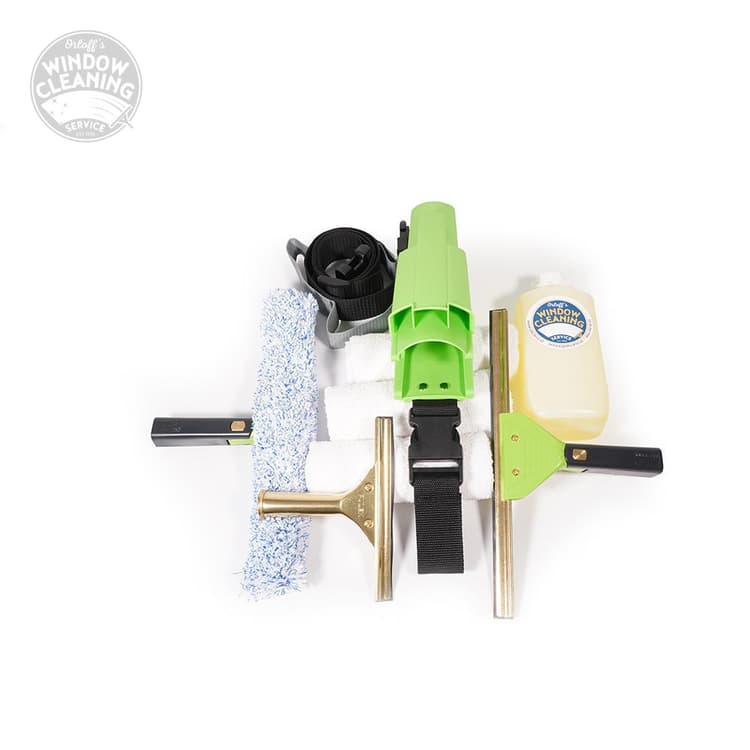
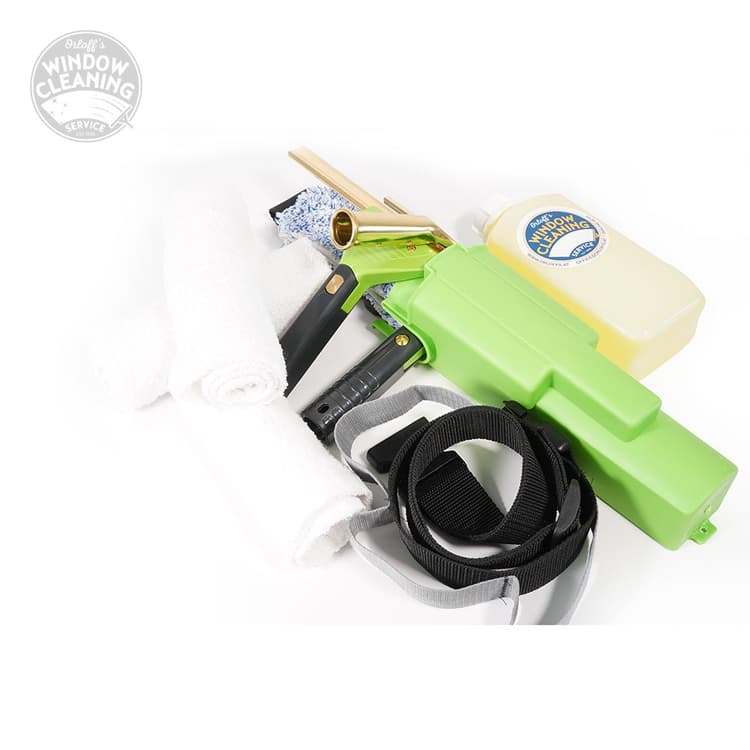
Tool Recommendations
T-bar applicator with microfibre sleeve
View on Amazon [coming soon]Professional squeegee with fresh rubber blade
View on Amazon [coming soon]Bucket with lukewarm water and 1 drop of mild pH-neutral dish soap per litre
View on Amazon [coming soon]Cleaning Frequency
Glass and frames: 2x per year minimum (Spring and autumn. Quarterly in urban or construction-adjacent locations.). Hardware lubrication (Teflon oil): 1-2x per year (Wipe excess immediately after application.). Seal and gasket inspection: 1x per year (And after any severe weather.). Hardware operation check: 1x per year (Use SULKO's free 6-month adjustment window from installation date.)
Frequently Asked Questions
Field Notes
“Glass and frames: 2x per year minimum, quarterly in urban or construction-adjacent locations. ARTEVO composite: follows PVC care rules, not aluminium rules. Do not use aluminium products on it. Hardware: Teflon oil once or twice per year. Wipe excess immediately. SULKO offers free adjustment in the first 6 months post-installation. Seals: inspect annually and after storms. Mild soapy water only for cleaning.”
Justin Orloff
What's next for you?
The Skill
New to window cleaning?
Start with the core techniques before tackling premium systems.
Start Learning →The Standard
Upskill your team
Covers every system, product type, and tricky scenario.
View The Standard →Manufacturer
Partner with Orloffs
Are you SULKO or a similar manufacturer? Let's create official cleaning guidance together.
Get in Touch →