
Asia-Pacific · Window Manufacturer
Stegbar
🇦🇺 Australia · Last reviewed by Justin Orloff

Quick Facts
founded
1946
hq
Sydney, NSW
primaryMaterials
Aluminium, uPVC, and timber
glazingPartner
In-house - Stegbar manufactures and glazes its own products
marketTier
Market Leader - Australian residential
Brand at a Glance
- Country: Australia
- Founded: 1946
- Parent group: Ventora Group (formerly JELD-WEN Australasia)
- Materials: Aluminium, uPVC, timber
- Products: Windows, doors, shower screens
- Market: Full residential range - entry level to premium
- Climate context: Australia-wide - UV index 12+ summer, coastal salt, tropical humidity in far north
Product Range
- Aluminium windows
- uPVC windows
- Timber windows
- Aluminium doors
- Shower screens
Why This System
Stegbar's market position means their products are found across every housing type and age in Australia - from 1970s sliding aluminium in regional towns to current-generation thermally broken systems in new premium builds. The uPVC range is manufactured with UV stabilisers appropriate for Australian conditions - but those stabilisers are degraded by solvent-based cleaning products. Using the wrong chemistry on Stegbar uPVC accelerates frame yellowing. Stegbar timber windows are a premium product that appears in heritage and architect-designed builds. Timber frames require a dry-to-damp cleaning approach - water saturation at frame joints causes timber swelling and paint failure.
Step 1 of 2: Manufacturer Recommendations
Official Care Guidance
Source: ORLOFFS PROFESSIONAL GUIDANCE - BASED ON 25 YEARS FIELD EXPERIENCE ON AUSTRALIAN RESIDENTIAL WINDOWS
Glass
- Pre-rinse glass with clean water before cleaning - removes coastal salt and silica dust that would otherwise be scrubbed into the surface.
- Apply pH-neutral cleaning solution. Squeegee from top to bottom, overlapping strokes, wipe rubber after each pull.
- Check glazing seals and glazing bead condition at every service - Australian UV causes faster seal degradation than temperate climates.
Aluminium Frames
- Wipe with pH-neutral dampened soft cloth. Rinse thoroughly after cleaning.
- Do not use abrasive pads, steel wool, or scouring compounds on powder-coated aluminium.
- Document chalking on north and west-facing frames - it indicates UV degradation of the powder coat.
uPVC Frames
- Use only pH-neutral, solvent-free cleaners on uPVC. Solvents and citrus oils degrade UV stabilisers in the profile.
- Wipe with a soft cloth. Do not use abrasive pads.
- Yellow uPVC framing indicates UV degradation - cleaning cannot reverse this. Flag to property manager.
Timber Frames
- Use a barely damp cloth on painted or stained timber frames. Excess water at frame joints causes swelling and paint failure.
- Do not spray water directly at painted timber joints or frame corners.
- Dry timber frames immediately after wiping. Do not leave moisture on the surface.
Step 2 of 2: The Orloffs Protocol
The Orloffs Protocol
This is how I clean Stegbar windows. The tools and technique below come from 25 years of daily professional work on the glass. Every step has been tested on real installations and adapted specifically for Stegbar systems.
Pro Tools
My daily tool list. This is what I carry to every job.
Follow these steps in order. Each one builds on the last. This is the same sequence I use on every Stegbar installation.
- 1
Material identification
Identify frame material - aluminium, uPVC, or timber - before opening any cleaning products. The protocol differs for each.
- 2
Pre-rinse
Rinse glass and frames with clean water. Essential on coastal properties and in inland dust-affected areas.
- 3
Glass cleaning
pH-neutral solution, window washer, squeegee top to bottom, overlap strokes, wipe rubber after each pull.
- 4
Frame wipe-down
Aluminium: pH-neutral dampened cloth, rinse. uPVC: pH-neutral solvent-free cloth. Timber: barely damp cloth, dry immediately.
- 5
Tracks, seals, and close-out
Clear track channels and weep holes. Apply silicone lubricant to sliding tracks. Inspect glazing seals. Document any defects.
Pro Tips
- When servicing a property with a mix of Stegbar aluminium and uPVC windows, keep separate cloths for each material - cross-contamination of cleaning product from one frame type to another is a common error
- Stegbar sliding doors have heavier rollers than windows - the track channel accumulates more debris per metre. Budget extra time on track cleaning for sliding doors
What NOT To Do
- Do not use solvent-based or citrus oil cleaners on Stegbar uPVC frames
- Do not saturate timber frames with water - swelling and paint failure at joints will follow
- Do not use abrasive pads on powder-coated aluminium or uPVC surfaces
- Do not skip pre-rinsing on coastal properties - salt scrubbing damages both glass and aluminium
- Do not leave cleaning solution residue on any Stegbar frame in direct Australian summer sun
Bundle Kits and Tool Recommendations
Bundle Kit
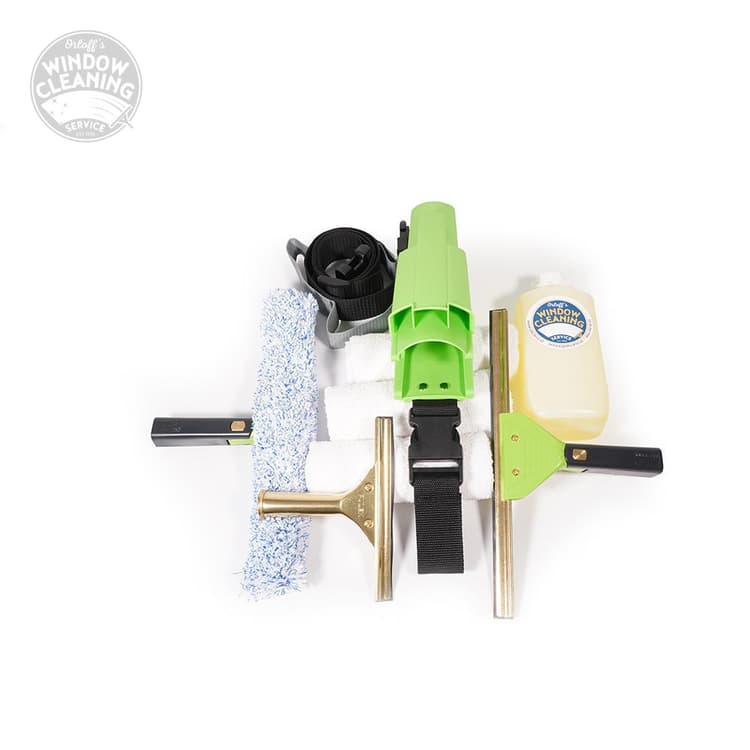
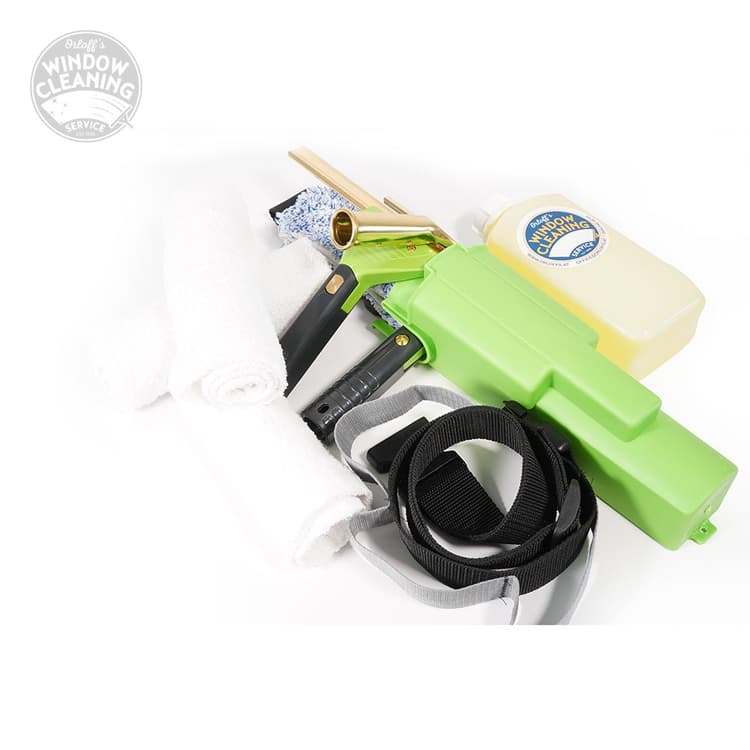
Tool Recommendations
Ettore squeegee 18 inch - primary glass cleaning
View on Amazon [coming soon]pH-neutral glass and frame concentrate - safe on aluminium, uPVC, and timber
View on Amazon [coming soon]Microfibre cloths - frame wipe-down for all three materials
View on Amazon [coming soon]Cleaning Frequency
Coastal residential: Every 4 to 6 weeks (Salt air and UV). Inland and urban residential: Every 8 to 12 weeks (Standard Australian residential interval). Tropical north QLD and NT: Every 4 to 6 weeks (Year-round UV and wet season organic debris)
Frequently Asked Questions
Field Notes
“Stegbar aluminium windows from the 1980s and 1990s are common in Australian residential stock. Older powder coat on these frames is often chalked and fragile - treat them with extra care and document condition on arrival. Stegbar uPVC is more common in Victoria and Tasmania than in Queensland - the cooler climates extend uPVC life. In Queensland, check for yellowing on older uPVC Stegbar windows. First cleans on neglected Stegbar timber windows often reveal paint failures and frame joint gaps. Photograph these before cleaning and include in your report to the property manager.”
Justin Orloff
What's next for you?
The Skill
New to window cleaning?
Start with the core techniques before tackling premium systems.
Start Learning →The Standard
Upskill your team
Covers every system, product type, and tricky scenario.
View The Standard →Manufacturer
Partner with Orloffs
Are you Stegbar or a similar manufacturer? Let's create official cleaning guidance together.
Get in Touch →