Europe · Profile System
Smart Systems
🇬🇧 United Kingdom · Last reviewed by Justin Orloff
Quick Facts
founded
1986
hq
Yate, Bristol, UK
primaryMaterials
Aluminium with polyamide thermal break
glazingPartner
Glazing by fabricator specification
marketTier
Premium
Brand at a Glance
- Country: United Kingdom
- Market position: Premium British aluminium profile system manufacturer
- Primary materials: Extruded aluminium with polyamide thermal break
- Product types: Windows, entrance doors, bifold doors, sliding doors, roof lanterns, curtain walling
- Finish options: Powder coat (RAL colours), anodised, dual colour (inner and outer different colours)
- Key products: Alitherm windows, Alislide sliding doors, Visofold bifold doors
- Standards: CE marked, BSI certified, UK building regulations compliant
- Distribution: UK and international through fabricator network
- End use: Residential extensions, orangeries, commercial glazing
- Website: smartsystems.co.uk
Product Range
- Alitherm window systems
- Visofold bifold door system
- Alislide sliding and lift-and-slide systems
- Roof lantern and rooflight systems
Why This System
Bifold doors are the most common Smart Systems product in the UK residential market - their maintenance requirements differ from standard windows because of the multiple fold points, multiple sash weight, and the different access positions for cleaning inner and outer glass faces. Roof lanterns accumulate debris, organic growth, and mineral deposit at a significantly higher rate than vertical glass - the low pitch and large glass area relative to any drainage path concentrates all atmospheric deposits. UK climate produces specific deposit types - acid rain deposits, moss on horizontal or low-pitch glass, and high mineral content from hard water in the south-east - that require different pre-treatment approaches. Dual-colour powder coat specification on Smart Systems products is common in UK residential extensions - the outer colour and inner colour are different, which means the inner and outer faces are technically different surfaces requiring the same cleaning approach but presenting differently to the eye. Smart Systems bifold door tracks accumulate debris that causes the sash running gear to jam or wear prematurely - track maintenance is a critical part of the cleaning protocol.
Step 1 of 2: Manufacturer Recommendations
Official Care Guidance
Source: ORLOFFS PROFESSIONAL GUIDANCE - BASED ON SMART SYSTEMS PUBLISHED INFORMATION AND 25 YEARS FIELD EXPERIENCE
Glass
- pH-neutral glass cleaner in warm water. Microfibre T-bar and professional squeegee.
- Roof lanterns: mineral deposit pre-treatment before standard cleaning if hard water deposits are present. Apply, allow 2 minutes maximum contact, rinse thoroughly, then clean normally.
- Bifold door glass: clean each sash as an individual panel. Position squeegee stroke direction to keep solution away from the folding edge hardware.
- Low-pitch roof lantern glass: plan squeegee direction to run solution toward the eaves gutter, not across the pitch.
Frames
- Powder-coated aluminium: pH-neutral cleaner on soft cloth. No alkaline, no acid, no abrasive.
- Dual-colour frames: same product on both faces. The inner white face may show cleaning marks more visibly than the outer grey face - check both faces in appropriate light.
- Clean bifold door track with soft brush and damp cloth. Remove all grit and debris before lubricating.
- Clear roof lantern drainage paths and eaves gutters at every clean.
Hardware
- Bifold running gear: lubricate roller axles and guide track with PTFE spray every 6 months.
- Window hardware: annual lubrication at all mechanism points with light machine oil or PTFE spray.
- Check bifold door fold sequence - all sashes should fold and stack smoothly with even resistance. Uneven resistance means one panel's running gear needs attention.
Step 2 of 2: The Orloffs Protocol
The Orloffs Protocol
This is how I clean Smart Systems windows. The tools and technique below come from 25 years of daily professional work on the glass. Every step has been tested on real installations and adapted specifically for Smart Systems systems.
Pro Tools
My daily tool list. This is what I carry to every job.
Follow these steps in order. Each one builds on the last. This is the same sequence I use on every Smart Systems installation.
- 1
Scope identification
Identify all glazing types on the installation: vertical windows, bifold doors, sliding doors, roof lanterns.
Roof lanterns require safe access equipment - identify the access method before starting.
Check for any hard water mineral deposit on roof lantern glass that needs pre-treatment before the main clean.
- 2
Bifold door track and running gear
Clear the bifold bottom track with a soft brush, removing all grit and debris.
Wipe the track with a damp cloth. Confirm the track is completely clear before lubricating.
Apply PTFE spray to the track face and to the roller axle access points on each sash.
- 3
Bifold glass cleaning
Fold and stack the bifold sashes to access the outer face. Clean each panel individually.
On inner face: unfold each panel and clean with standard technique.
Keep cleaning solution away from the fold hardware at the panel edges.
- 4
Vertical window cleaning
Standard tilt-and-turn or casement approach depending on window type.
UK Smart Systems casement windows are outward-opening in many configurations - confirm stay condition before cleaning outer face.
Annual hardware lubrication at this stage.
- 5
Roof lantern cleaning
Confirm safe access before starting. Do not step on the lantern glass.
Pre-treat any hard water deposits with mineral remover. Apply, 2 minutes maximum, rinse thoroughly.
Squeegee from the ridge toward the eaves. Solution must not pool at any point on the low-pitch glass.
- 6
Drainage and gutter check
Clear all roof lantern eaves gutters and drainage outlets after cleaning.
Check bifold door threshold drainage if fitted.
Clear any weep holes in horizontal aluminium frame members.
Pro Tips
- Bifold door bottom track is the most critical maintenance item on any Smart Systems residential installation. Grit in the track wears the running gear and causes jamming. Monthly track clearing (which takes two minutes per door) prevents 90 percent of bifold service calls.
- Roof lantern glass in UK hard water areas should be treated as a specialist cleaning task. The combination of low pitch, hard water deposits, and biological growth in UK climate produces surface conditions that standard window cleaning does not address.
- UK rainwater on south-east English roof lanterns contains dissolved calcium that deposits as it dries. A roof lantern that gets rained on and then dries in sun every day accumulates calcium deposit faster than the monthly cleaning interval can prevent. A hydrophobic glass coating on roof lantern glass significantly slows this accumulation.
- Dual-colour Smart Systems powder coat (grey outside, white inside) is very common in UK residential extensions. The white inner face of a bifold door shows fingermarks and cleaning marks much more visibly than the grey outer face. Check the inner face at 90 degrees to the surface to see any marks before leaving the site.
- Smart Systems bifold doors that are hard to fold toward the end of the stack are usually caused by the last panel's running gear being dry. Apply PTFE spray to all panels but give extra application to the last panel in the stacking sequence.
- UK planning permissions for residential extensions frequently specify the aluminium colour. A Smart Systems extension repainted or re-coated in a non-approved colour violates planning conditions. Cleaning must not alter the colour appearance - standard pH-neutral cleaning produces no colour change.
- Roof lantern access in UK residential settings is frequently a 2-person job: one operative on the roof with safe edge protection, one operative coordinating from the ground. Never attempt to clean a roof lantern from an unsupported ladder leaned against the lantern frame.
What NOT To Do
- Do not step on Smart Systems roof lantern glass - it is not designed as a walkable surface.
- Do not use alkaline products on Smart Systems powder-coated aluminium - the damage accumulates invisibly until the coat fails visibly.
- Do not skip bifold track clearing before lubricating - lubricant mixed with grit creates an abrasive paste that wears the running gear.
- Do not apply mineral deposit remover to the aluminium frame near roof lantern glass - rinse the frame immediately if acid product contacts it.
- Do not leave mineral deposit remover on roof lantern glass for more than 2 minutes - extended acid contact can affect the glass coating.
Bundle Kits and Tool Recommendations
Bundle Kit
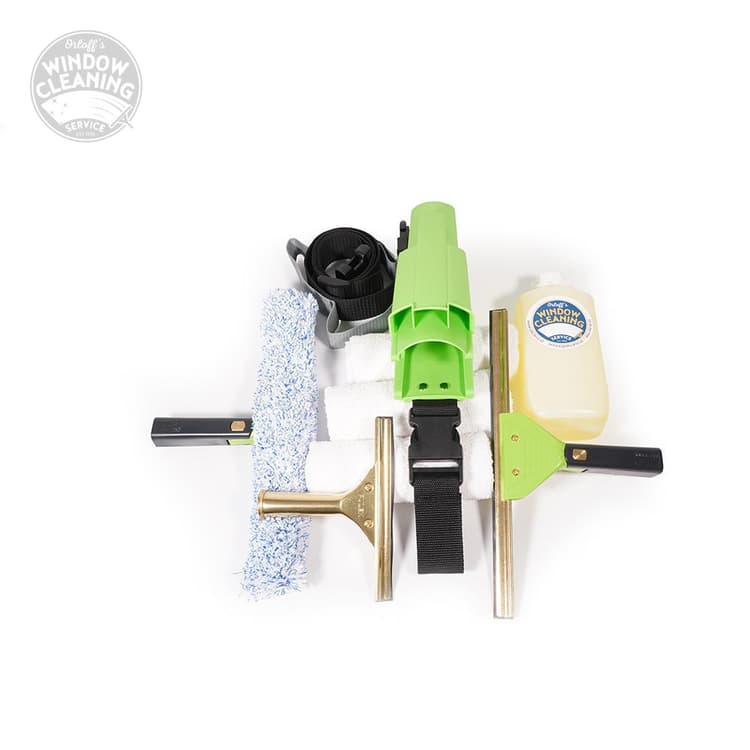
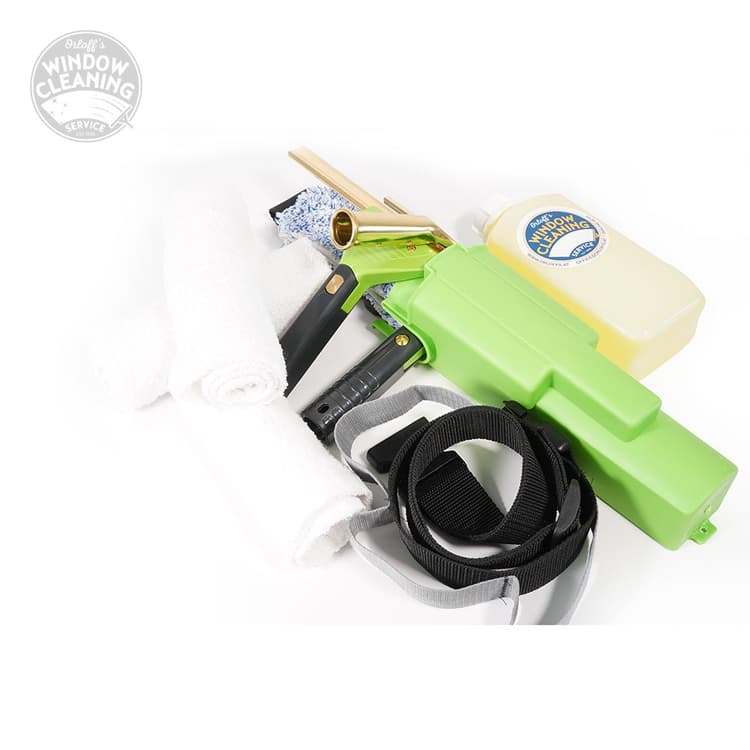
Tool Recommendations
pH-neutral aluminium frame cleaner
View on Amazon [coming soon]Mineral deposit remover for glass (pH 4 to 5)
View on Amazon [coming soon]PTFE spray lubricant for bifold running gear
View on Amazon [coming soon]Cleaning Frequency
Glass - vertical: 2 to 3x per year (UK residential standard. Extensions used as living rooms benefit from more frequent cleaning.). Glass - roof lantern: 4 to 6x per year (UK hard water areas: quarterly minimum. Leaves and biological growth accumulate fast on low-pitch glazing.). Bifold track: Monthly (A 2-minute track brush between cleaning visits prevents the majority of bifold service call-outs.). Hardware lubrication: Twice per year (Bifold running gear: spring and autumn. Window hardware: annual.)
Frequently Asked Questions
Field Notes
“Smart Systems is one of the most frequently encountered aluminium profile brands in UK residential extensions and orangeries built from 2005 onwards. The bifold door is the defining product of the UK residential extension market in that period. Roof lantern cleaning is underspecified and underpriced in most UK window cleaning contracts. The time, access equipment, and pre-treatment requirements for a large roof lantern are substantially greater than for the same glass area in a vertical window. Hard water mineral deposit on UK roof lanterns is the most common unresolved maintenance problem in the Smart Systems installation base. Property owners are often told it is not possible to remove without damage. It is possible with the correct pH-specific mineral remover and the correct technique.”
Justin Orloff
What's next for you?
The Skill
New to window cleaning?
Start with the core techniques before tackling premium systems.
Start Learning →The Standard
Upskill your team
Covers every system, product type, and tricky scenario.
View The Standard →Manufacturer
Partner with Orloffs
Are you Smart Systems or a similar manufacturer? Let's create official cleaning guidance together.
Get in Touch →