Europe · Profile System
Secco Sistemi
🇮🇹 Italy · Last reviewed by Justin Orloff
Quick Facts
founded
Established Italian steel window manufacturer
hq
Vittorio Veneto, Italy
primaryMaterials
Steel, stainless steel
glazingPartner
Glazing by project specification
marketTier
Luxury
Brand at a Glance
- Country: Italy
- Market position: Luxury Italian steel and stainless-steel slim-profile window systems
- Primary materials: Steel with protective coating, stainless steel, Cor-Ten
- Product types: Slim-profile windows, doors, facades, pivot doors, fire-rated systems
- Frame depth: From 25mm visible sightline - among the slimmest available
- Finish options: Painted steel, galvanised, stainless steel, Cor-Ten weathering steel
- Standards: CE marked, Italian and European fire and security ratings available
- Distribution: Italy, Europe, global architectural projects
- End use: Luxury residential, heritage restoration, high-end commercial
- Website: seccosistemi.com
Product Range
- Slim steel window systems
- Stainless steel systems
- Cor-Ten weathering steel systems
- Fire-rated and security systems
Why This System
Steel and stainless steel require completely different cleaning chemistry from aluminium and PVC - acids attack steel corrosion protection, chlorides attack stainless steel, and any abrasive scratches the metal to reveal the substrate. The luxury and heritage context of most Secco Sistemi installations means finish quality expectations exceed any standard residential or commercial cleaning specification - technique errors at this level are contract failures. Cor-Ten weathering steel installations should not be cleaned with standard cleaning products - the patina is the intended finish and interference with the patina development process affects the designed appearance. Slim steel sightlines mean there is almost no frame area to clean - but the narrow visible face is under high visual scrutiny in architectural projects where the slimness of the frame is the point. Steel windows in heritage restoration contexts may have leaded glazing or historic glazing techniques - these require specialist assessment before any cleaning approach is applied.
Step 1 of 2: Manufacturer Recommendations
Official Care Guidance
Source: ORLOFFS PROFESSIONAL GUIDANCE - BASED ON SECCO SISTEMI PUBLISHED INFORMATION AND 25 YEARS FIELD EXPERIENCE
Glass
- pH-neutral glass cleaner in warm water. On stainless steel systems, use purified water for the final rinse to avoid chloride deposits from hard tap water.
- Microfibre applicator and professional squeegee. No abrasive pads near steel frame faces.
- On historic glazing in heritage installations, specialist assessment before cleaning.
- Edge detail at slim sightlines: solution control is critical. There is almost no frame face but it is very visible.
Frames
- Painted steel: pH-neutral cleaner on soft cloth. Check for paint chips or rust spots at every visit. Report immediately.
- Stainless steel: pH-neutral or slightly acidic stainless steel cleaner. No chlorine-containing products under any circumstances. Rinse with purified water.
- Cor-Ten: water rinse only on stable patina. Do not apply cleaning products to Cor-Ten weathering steel.
- On all steel types: dry immediately after cleaning. Do not leave water standing on steel surfaces.
Hardware
- Hardware on Secco Sistemi systems is typically high-specification concealed or minimal hardware - stainless steel or powder-coated steel.
- Lubricate pivot points and hinge mechanisms with a product appropriate for the hardware material. On stainless steel hardware, chloride-free lubricants only.
- Check sealant condition at frame-to-glass junctions at every visit. Report any cracking or adhesion failure in structural sealant on slim-profile systems.
Step 2 of 2: The Orloffs Protocol
The Orloffs Protocol
This is how I clean Secco Sistemi windows. The tools and technique below come from 25 years of daily professional work on the glass. Every step has been tested on real installations and adapted specifically for Secco Sistemi systems.
Pro Tools
My daily tool list. This is what I carry to every job.
Follow these steps in order. Each one builds on the last. This is the same sequence I use on every Secco Sistemi installation.
- 1
Material identification
Identify the exact material: painted steel, galvanised steel, stainless steel, or Cor-Ten.
Each requires a different cleaning product and rinse protocol. Do not mix up products.
Check for any signs of rust on painted or galvanised steel before starting the main clean.
- 2
Painted and galvanised steel cleaning
Apply pH-neutral cleaner to soft cloth. Wipe frame in gentle straight strokes.
Rinse with clean water. Dry immediately with a soft cotton cloth.
Inspect for rust spots or paint chips at every visit. Report any finding before leaving the site.
- 3
Stainless steel cleaning
Apply pH-neutral or stainless steel specific cleaner with soft cloth. Work with the direction of the steel grain if visible.
Rinse with purified water to eliminate chloride deposits from tap water.
Dry immediately with clean cotton cloth. Water spots on stainless steel in luxury installations are unacceptable.
- 4
Cor-Ten cleaning
On stable Cor-Ten patina, rinse with plain water only. Do not apply cleaning products.
Use a soft brush to remove loose debris from the patina surface. Do not scrub.
Dry with a soft cloth. The patina continues to develop - interference slows the process.
- 5
Glass cleaning
Apply solution with microfibre applicator. Precise control near the slim steel frame face.
Squeegee with a small channel for precision. Wipe squeegee rubber after each pass.
On stainless steel systems, final rinse with purified water before squeegeeing.
- 6
Final inspection and documentation
Step back and view the installation in raking light. Slim steel sightlines show any mark immediately.
Check all sealant junctions. Photograph any rust, paint damage, or sealant failure.
Provide a condition report to the client at every visit. This is expected at luxury contract level.
Pro Tips
- Never use bleach or any chlorine-containing product on or near stainless steel windows. Chloride-induced pitting corrosion on stainless steel is permanent and cannot be polished out from deep pits.
- On Cor-Ten weathering steel, the question is not what to clean with but whether to clean at all. A stable patina surface in good condition is often best maintained with a water rinse rather than any cleaning product.
- Purified water is not optional for the final rinse on stainless steel. Tap water in many regions contains enough chloride to leave a deposit on stainless steel that initiates surface corrosion over time.
- A rust spot on painted steel is a time-critical finding. Rust spreads under paint from a pinhole. A 5mm rust spot visible from outside represents a rust front that may be 15 to 20mm in diameter beneath the paint. Report it immediately.
- Slim 25mm sightlines on Secco Sistemi windows are the visual point of the product. A cleaning technique error on a 25mm frame face is proportionally enormous compared to the same error on an 80mm PVC frame. Control is everything.
- Heritage restoration steel windows with historic glazing should not be cleaned by a standard window cleaning operative without specialist assessment. The glass may be cylinder glass, crown glass, or decorative glass from a previous century that cannot be replaced.
- Luxury clients expect a written condition report from every cleaning visit. Secco Sistemi installations are in properties where the owner knows exactly what they have and will notice anything you missed or any damage that occurred.
What NOT To Do
- Do not use any chlorine-containing product on stainless steel - bleach, pool chemicals, or chlorinated tap water as a rinse.
- Do not use abrasive pads on any steel surface - scratches expose the base metal and initiate corrosion.
- Do not apply cleaning products to Cor-Ten weathering steel - rinse with water only on stable patina.
- Do not leave water standing on painted steel window surfaces - dry immediately after rinsing.
- Do not ignore a rust spot on painted or galvanised steel - report it at the cleaning visit, not at the next one.
Bundle Kits and Tool Recommendations
Bundle Kit
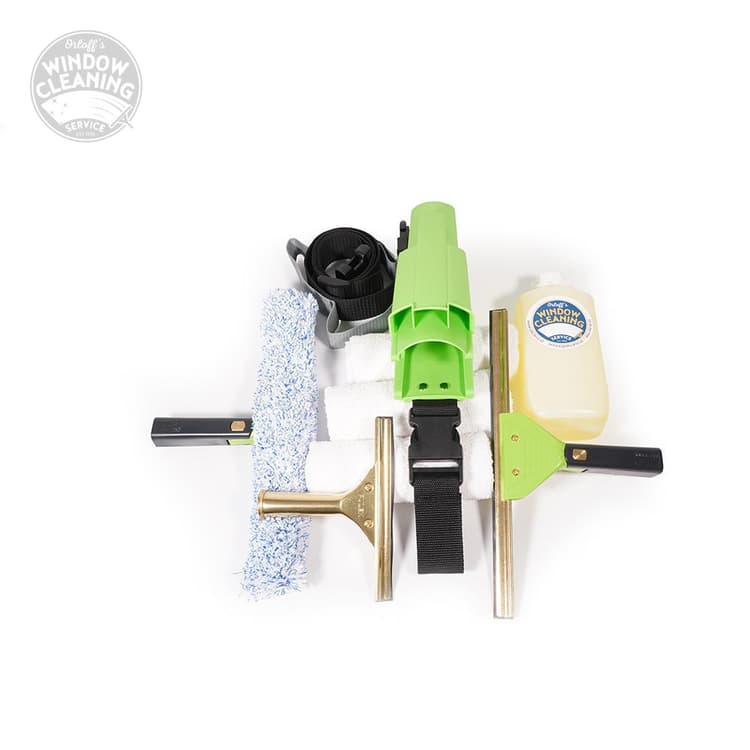
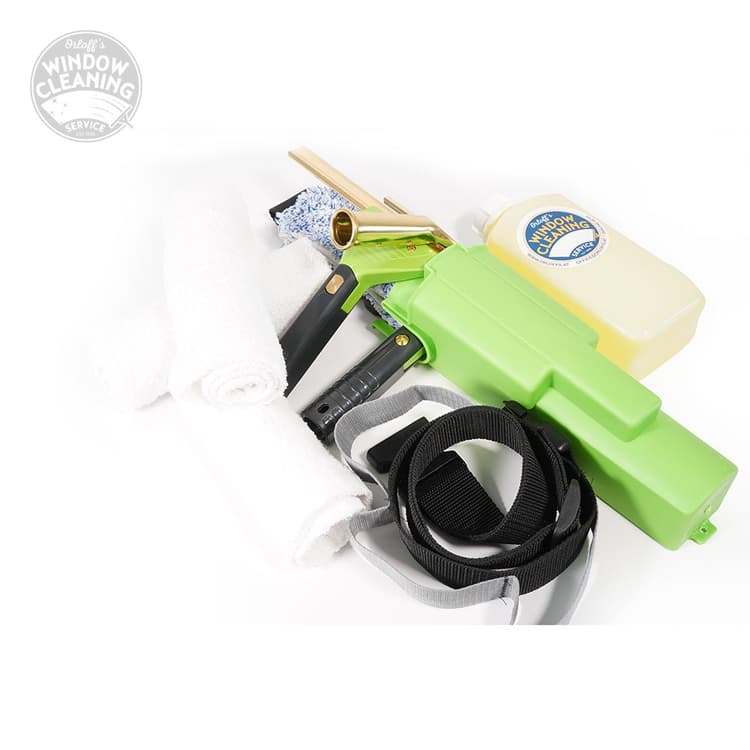
Tool Recommendations
pH-neutral stainless steel specific cleaner
View on Amazon [coming soon]Purified water rinse system
View on Amazon [coming soon]Chloride-free hardware lubricant
View on Amazon [coming soon]Cleaning Frequency
Glass: 4 to 6x per year (Luxury context. Coastal stainless steel: monthly minimum due to salt deposition on stainless steel.). Painted steel frame inspection: Every clean (Rust spot identification is a maintenance requirement on painted steel, not an optional check.). Stainless steel frame: Same visit as glass (Purified water rinse mandatory at every visit.). Hardware lubrication: Twice per year (Pivot and hinge points on slim-profile systems carry high loads relative to their size.)
Frequently Asked Questions
Field Notes
“Secco Sistemi installations represent the top of the market specification range. The client, the architect, and the building context all demand cleaning quality that matches the product quality. Steel window cleaning is a specialist skill. Most window cleaning training in central Europe focuses on PVC and aluminium. Steel requires additional knowledge of corrosion prevention, material-specific chemistry, and finish condition assessment. The combination of luxury context and steel-specific maintenance requirements makes Secco Sistemi one of the most demanding window care assignments available. It is also one of the most technically interesting.”
Justin Orloff
What's next for you?
The Skill
New to window cleaning?
Start with the core techniques before tackling premium systems.
Start Learning →The Standard
Upskill your team
Covers every system, product type, and tricky scenario.
View The Standard →Manufacturer
Partner with Orloffs
Are you Secco Sistemi or a similar manufacturer? Let's create official cleaning guidance together.
Get in Touch →