
Europe · Holding Company
profine (Kömmerling, TROCAL)
🇩🇪 Germany · Last reviewed by Justin Orloff

Quick Facts
founded
1897 (Kommerling brand origin)
hq
Pirmasens, Germany
primaryMaterials
PVC multi-chamber profiles
glazingPartner
Glazing by fabricator specification
marketTier
Mid-Range
Brand at a Glance
- Country: Germany
- Market position: Mid-range German PVC window profile group - Kommerling and TROCAL brands
- Primary materials: PVC multi-chamber profiles
- Product types: Window profiles, door profiles, conservatory profiles
- Key brands: Kommerling (premium), TROCAL (mid-range)
- Colour options: White, cream, colour foil laminate, co-extruded colour
- Standards: RAL quality mark, CE marked, German profile standards
- Distribution: Europe-wide through window fabricators
- End use: Residential and commercial windows and doors
- Website: profine-group.com
Product Range
- Kommerling premium profiles
- TROCAL mid-range profiles
- Conservatory profiles
- Door profiles
Why This System
Kommerling co-extruded colour profiles are significantly more durable than foil laminate colour profiles - the colour is integral to the PVC rather than a surface film, which changes the cleaning approach and the risk level for colour damage. TROCAL foil laminate profiles carry the same solvent-sensitivity risk as other foil laminate PVC - the Profine brand origin does not reduce this risk. Profine profiles are available in a very wide colour range through fabricators - identifying whether a window is co-extruded colour or foil laminate is more important than identifying the Profine brand itself. German RAL quality mark on Profine profiles gives a reliable baseline for UV stability and dimensional consistency - better UV stability means slightly better resistance to yellowing but not immunity to bleach or oxidiser damage. Kommerling profiles appear in the UK market as well as the German market - UK installations may have different hardware specifications and different opening styles (outward-opening casement more common in UK) than continental European equivalents.
Step 1 of 2: Manufacturer Recommendations
Official Care Guidance
Source: ORLOFFS PROFESSIONAL GUIDANCE - BASED ON PROFINE PUBLISHED INFORMATION AND 25 YEARS FIELD EXPERIENCE
Glass
- pH-neutral glass cleaner in warm water. Microfibre T-bar and professional squeegee.
- On conservatory roof glass, use an anti-algae pre-treatment on any green or black growth before standard cleaning.
- On outward casement UK installations, confirm the sash friction stay holds the sash open before accessing the outer face.
- Edge wipe in rebate before final pull.
Frames
- Co-extruded colour Kommerling: pH-neutral cleaner on soft cloth. More robust than foil - minor abrasive risk but still avoid harsh scrubbing.
- Foil laminate TROCAL and Kommerling: pH-neutral solvent-free cleaner only. No exceptions near seam edges.
- White PVC profiles: standard PVC cleaning with pH-neutral product.
- Clear all sash drainage slots at every clean.
Hardware
- Annual lubrication on all mechanism points. Tilt-and-turn: standard central European protocol.
- On outward casements: lubricate friction stay pivots and check stay hold strength.
- Wipe hardware dry at every clean visit. Check all locking points engage cleanly.
Step 2 of 2: The Orloffs Protocol
The Orloffs Protocol
This is how I clean profine (Kömmerling, TROCAL) windows. The tools and technique below come from 25 years of daily professional work on the glass. Every step has been tested on real installations and adapted specifically for profine (Kömmerling, TROCAL) systems.
Pro Tools
My daily tool list. This is what I carry to every job.
Follow these steps in order. Each one builds on the last. This is the same sequence I use on every profine (Kömmerling, TROCAL) installation.
- 1
Profile finish identification
Identify whether the profile is co-extruded colour (colour goes through the PVC), foil laminate (colour film on white core), or white PVC.
Co-extruded: look at a cut face at the frame corner mitre - the colour extends into the material, not just on the surface. Foil: the white core is visible at the cut face.
This identification determines the cleaning product choice.
- 2
Opening style check (UK installations)
On UK-market Profine windows, identify whether the opening style is tilt-and-turn or outward-opening casement.
On outward casements, open the sash fully and confirm the friction stay holds before positioning any ladder near the outer face.
The outer face cleaning approach is different for outward casements - the sash must be open and supported while the outer face is cleaned.
- 3
Glass cleaning
Apply solution with T-bar. Squeegee top to bottom.
On conservatory roof glass with biological growth, apply anti-algae solution first, allow dwell time, then clean with standard technique.
Edge wipe in rebate before final pull.
- 4
Frame cleaning
Apply pH-neutral cleaner (solvent-free for foil laminate, standard for co-extruded). Straight strokes.
Clear drainage slots at the sash base.
Rinse and dry.
- 5
Hardware service
Lubricate all mechanism points. Tilt-and-turn: standard protocol.
On outward casements, lubricate the friction stay pivot and hinge knuckles.
On conservatory windows, include any ventilation roof vent hardware in the lubrication schedule.
- 6
Conservatory-specific checks
On conservatory installations, check the roof glazing seal strips for any lifting or cracking.
Check the ridge and eaves junction weatherstrip condition.
Clear all guttering and drainage points on the conservatory structure.
Pro Tips
- The most important thing to establish on a Profine profile window is whether the colour finish is co-extruded or foil laminate. This one fact determines how careful you need to be with product selection.
- Co-extruded Kommerling colour profiles are one of the most forgiving surfaces to clean in the PVC window range. You still need pH-neutral products, but the foil-lifting risk is completely absent.
- UK outward-casement installations with Kommerling profiles need friction stay awareness built into the cleaning protocol at every visit. A failing friction stay that drops the sash mid-clean at height is a safety issue.
- Conservatory roof glass is biologically active in a way vertical glass is not. The low pitch, intermittent wetting and drying, and accumulated organic debris creates ideal conditions for algae and moss. Standard glass cleaner does not kill established biological growth - an anti-algae step is needed first.
- German-profile windows in central European residential buildings can be 20 to 25 years old and still in excellent structural condition if correctly maintained. The cleaning approach for an older Profine window is identical to a new one - the material ages predictably within the German RAL quality mark specification.
- Foil laminate on Kommerling profiles is the same type of product as foil laminate on any other German or central European PVC profile. The brand does not indicate a superior foil product - solvent-free protocol applies identically.
- On conservatory installations with a mix of vertical Profine PVC window profiles and polycarbonate or glass roof panels, clean the vertical PVC glass and frames first, then do the roof. Solution running down from the roof onto already-cleaned vertical glass is the most common rework cause.
What NOT To Do
- Do not use solvents on foil laminate TROCAL or Kommerling profiles - the co-extruded distinction does not apply to foil products.
- Do not clean conservatory roof glass with standard glass cleaner without addressing biological growth first.
- Do not rely on a friction stay to hold a sash on a UK outward casement without checking the pivot screw tightness first.
- Do not use bleach on white Profine profiles - German RAL profiles have good UV stability but bleach causes chemical yellowing.
- Do not probe drainage slots with metal tools - PVC drainage geometry is precise and metal tools deform it.
Bundle Kits and Tool Recommendations
Bundle Kit
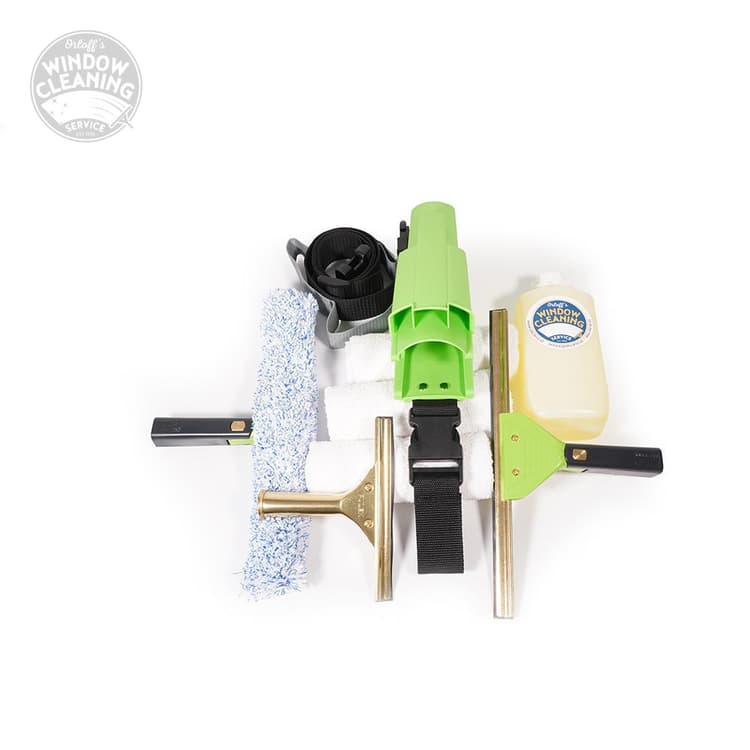
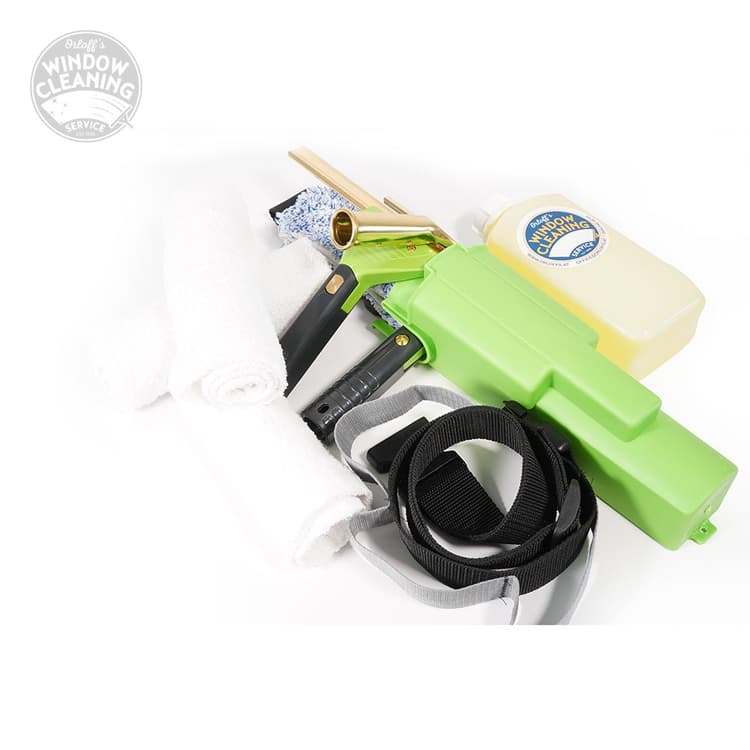
Tool Recommendations
pH-neutral solvent-free PVC cleaner
View on Amazon [coming soon]Anti-algae conservatory roof treatment
View on Amazon [coming soon]Professional squeegee with fresh rubber
View on Amazon [coming soon]Cleaning Frequency
Glass: 2x per year (Conservatory roof glass: 3 to 4x per year minimum due to biological growth accumulation.). Frames: 2x per year (Same visit as glass.). Drainage slots: Every clean (Standard PVC maintenance.). Hardware lubrication: Once per year (Conservatory vent hardware may need more frequent service due to high-use operation.)
Frequently Asked Questions
Field Notes
“Profine profile windows are a large proportion of the German and central European window stock. The maintenance approach is the same as any other German PVC profile product - the brand distinction matters less than the finish type. UK Kommerling installations present the outward casement access challenge that continental European technicians do not encounter. If your background is tilt-and-turn, the outer face access approach for UK casements needs to be learned as a separate skill. Conservatory work on Profine profiles is the most technically varied of any Profine installation type: PVC frames, roof glazing, polycarbonate panels in some cases, and vent hardware all in a single installation. Each surface needs its own product and technique.”
Justin Orloff
What's next for you?
The Skill
New to window cleaning?
Start with the core techniques before tackling premium systems.
Start Learning →The Standard
Upskill your team
Covers every system, product type, and tricky scenario.
View The Standard →Manufacturer
Partner with Orloffs
Are you profine (Kömmerling, TROCAL) or a similar manufacturer? Let's create official cleaning guidance together.
Get in Touch →