Europe · Window Manufacturer
Plastimet
🇵🇱 Poland · Last reviewed by Justin Orloff

Quick Facts
founded
Established Polish window manufacturer
hq
Poland
primaryMaterials
PVC, aluminium
glazingPartner
Double and triple glazing by specification
marketTier
Mid-Range
Brand at a Glance
- Country: Poland
- Market position: Mid-range Polish PVC and aluminium window manufacturer
- Primary materials: PVC, aluminium
- Product types: Tilt-and-turn windows, entrance doors, aluminium windows
- Opening styles: Tilt-and-turn, casement, fixed, sliding
- Colour options: White PVC, woodgrain foil, colour foil, powder-coated aluminium
- Standards: CE marked, Polish and European standards
- Distribution: Poland and central European markets
- Glazing: Double and triple glazing
- Website: plastimet.pl
Product Range
- PVC tilt-and-turn windows
- PVC entrance doors
- Aluminium windows and doors
- Passive and triple-glazed windows
Why This System
Plastimet serves a broad market from standard residential windows to higher-specification energy products - the cleaning and maintenance protocol needs to match the product tier within the range. Polish market colour foil options on Plastimet windows use the standard central European foil laminate approach - solvent-free cleaning is essential and cannot be treated as optional. Mid-range Polish PVC at Plastimet's specification is a reliable product that responds directly to maintenance quality - a well-maintained Plastimet window at 15 years outperforms a neglected premium window. Hardware on Plastimet windows is sourced from established central European suppliers. The maintenance requirements are well-understood and the lubrication intervals are predictable. Polish residential buildings with multiple windows from the same manufacturer benefit from a consistent maintenance protocol across all windows - any property with Plastimet windows can use the same approach for every unit.
Step 1 of 2: Manufacturer Recommendations
Official Care Guidance
Source: ORLOFFS PROFESSIONAL GUIDANCE - BASED ON PLASTIMET PUBLISHED INFORMATION AND 25 YEARS FIELD EXPERIENCE
Glass
- pH-neutral glass cleaner in warm water. Microfibre T-bar and professional squeegee. Inner face in tilt, outer face in turn position.
- Squeegee top to bottom. Wipe rubber after each pass. Edge wipe in rebate before final pull.
- Check glass unit seal condition at each visit. Note any unit with visible moisture between the panes.
- On entrance door glazed panels, clean the door glass on the same visit as the windows.
Frames
- pH-neutral solvent-free PVC cleaner on damp cloth. Straight strokes top to bottom.
- On colour foil frames, minimal moisture and no pressure near seam edges at corners and cut surfaces.
- Rinse with clean water. Dry with cotton cloth. Do not leave cleaner residue on PVC.
- Clear all sash drainage slots after every frame clean.
Hardware
- Annual lubrication: hinge scissors, corner transfer pieces, espagnolette rod guides.
- Wipe hardware at every clean. Dry immediately to prevent surface rust on steel components.
- Condition rubber seals annually with non-silicone seal conditioner.
Step 2 of 2: The Orloffs Protocol
The Orloffs Protocol
This is how I clean Plastimet windows. The tools and technique below come from 25 years of daily professional work on the glass. Every step has been tested on real installations and adapted specifically for Plastimet systems.
Pro Tools
My daily tool list. This is what I carry to every job.
Follow these steps in order. Each one builds on the last. This is the same sequence I use on every Plastimet installation.
- 1
Pre-clean check
Check foil condition at corners and cut surfaces on all colour windows.
Note any glass units with internal condensation - these need reporting.
Identify high-use windows (balcony, terrace) for twice-yearly hardware service.
- 2
Glass cleaning
Apply solution with T-bar. Tilt for inner, turn for outer.
Squeegee top to bottom. Rubber wipe after each pass.
Edge wipe before final pull.
- 3
Frame cleaning
Apply pH-neutral solvent-free cleaner to cloth. Straight strokes.
On colour foil, minimal pressure near seams.
Rinse and dry.
- 4
Drainage clearance
Clear every sash base drainage slot with plastic tool.
Test drainage with a small amount of water.
Clear external cill junction debris.
- 5
Hardware and seal service
Apply light oil to all mechanism points. Operate full cycle.
Condition EPDM seals with non-silicone conditioner.
Check all locking cams engage cleanly.
- 6
Final check
Close and lock all windows. Confirm smooth handle operation.
Check for any draft gaps at sash corners.
Record any drainage, seal, or hardware issues.
Pro Tips
- On a building with multiple Plastimet windows, set up one product station and work methodically through each window in sequence. Consistency across the building is more time-efficient than adapting product and technique window by window.
- Plastimet woodgrain foil windows are popular in Polish residential architecture. The oak and mahogany foil options look premium but are maintained the same way as any other foil laminate - solvent-free and gentle.
- Check the inner face of the drainage slots as well as the outer face on tilt-and-turn windows. Debris sometimes blocks from the inner side, particularly in windows adjacent to kitchen or bathroom ventilation.
- Polish PVC frames in high-humidity interior environments - bathroom windows particularly - show faster rubber seal deterioration than windows in drier rooms. Increase seal conditioning frequency on bathroom windows to twice yearly.
- A window that is noticeably colder at the glass edge in winter than at the centre of the glass has a thermal bridge at the glass unit spacer bar. This is a glazing unit issue, not a cleaning issue, but noting it during the clean is a useful service for the property owner.
- Entrance door hinges on Plastimet doors carry significantly more load than window hinges. Include entrance door hinge lubrication in the annual hardware service schedule.
- If a Plastimet tilt-and-turn window will only tilt and not open to the turn position, the handle is in the tilt position and needs to be returned to closed before re-operating. This is a user error rather than a hardware fault but is commonly reported as a fault by property owners.
What NOT To Do
- Do not use solvent-containing products on foil laminate windows.
- Do not scrub near foil seam edges at corners.
- Do not use silicone spray on EPDM compression seals.
- Do not skip drainage slot clearance - it is the primary preventable cause of glazing unit seal failure.
- Do not force a stiff tilt-and-turn handle - lubricate first.
Bundle Kits and Tool Recommendations
Bundle Kit
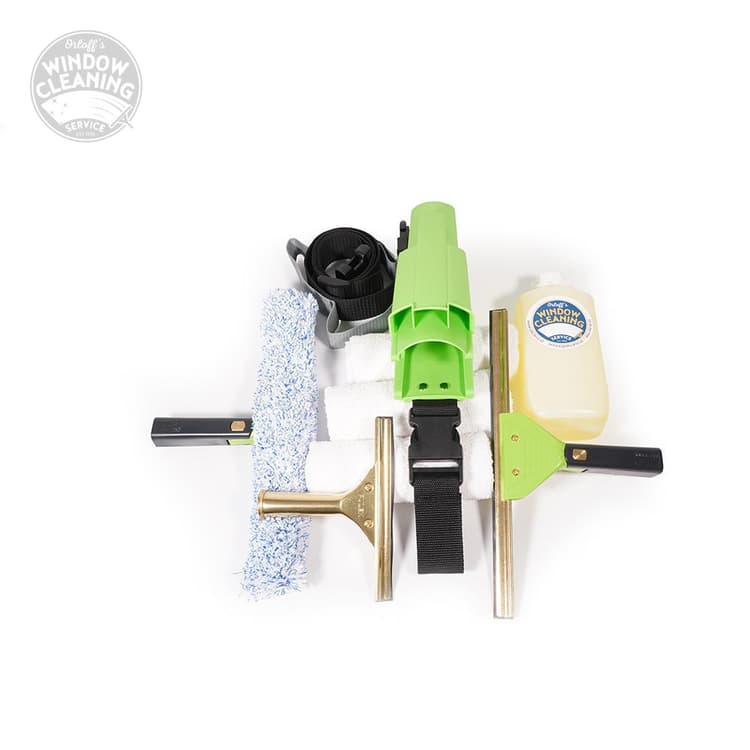
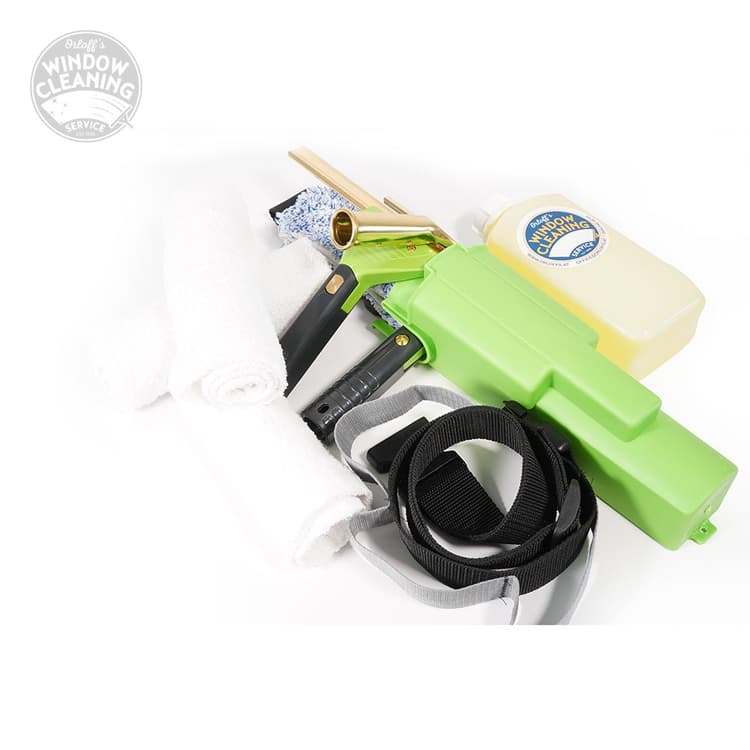
Tool Recommendations
pH-neutral solvent-free PVC cleaner
View on Amazon [coming soon]Microfibre T-bar applicator
View on Amazon [coming soon]Professional squeegee with fresh rubber
View on Amazon [coming soon]Cleaning Frequency
Glass: 2x per year (Residential standard. Urban and roadside locations: quarterly in winter months.). Frames: 2x per year (Same visit as glass.). Drainage slots: Every clean (Non-negotiable on mid-range PVC.). Hardware lubrication and seal conditioning: Once per year (Twice per year on high-cycle terrace and balcony doors.)
Frequently Asked Questions
Field Notes
“Plastimet windows represent a large proportion of the Polish residential window stock. Correct maintenance protocol is the same for Plastimet as for other mid-range Polish PVC manufacturers - the product follows standard central European construction. The foil laminate issue is the most frequently encountered cleaning damage on Polish mid-range windows. Every operative working on Polish residential windows needs to understand solvent-free protocol before starting. Annual hardware service on a building with 20 Plastimet windows takes approximately 3 hours. Skipping it for 3 years produces a building where half the windows have stiff or incomplete locking - the catch-up work takes significantly longer.”
Justin Orloff
What's next for you?
The Skill
New to window cleaning?
Start with the core techniques before tackling premium systems.
Start Learning →The Standard
Upskill your team
Covers every system, product type, and tricky scenario.
View The Standard →Manufacturer
Partner with Orloffs
Are you Plastimet or a similar manufacturer? Let's create official cleaning guidance together.
Get in Touch →