
Europe · Window Manufacturer
Oknoplast
🇵🇱 Poland · Last reviewed by Justin Orloff
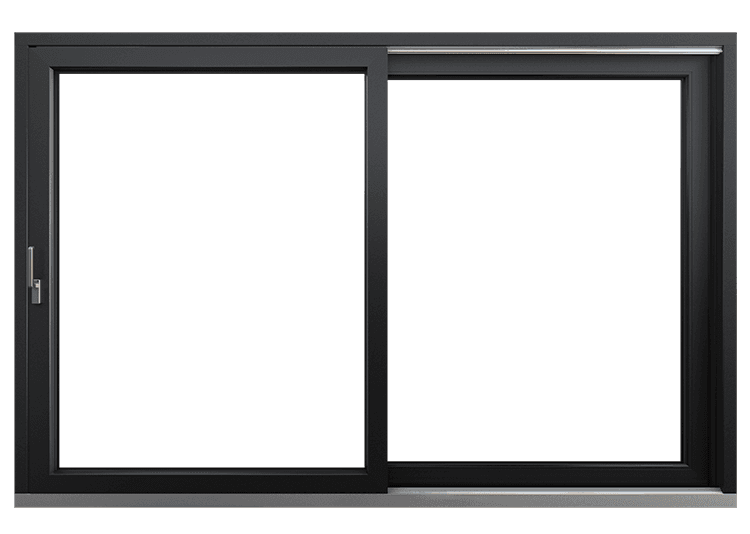
Quick Facts
founded
1994
hq
Ochmanow near Krakow, Poland
primaryMaterials
uPVC (primary), aluminium (via Aluhaus brand)
glazingPartner
In-house
marketTier
Mid-market to premium
Brand at a Glance
- Founded: 1994
- HQ: Ochmanow near Krakow, Poland
- Market position: One of Europe's largest uPVC window manufacturers, operating across 21 markets
- Frame materials: uPVC (primary), aluminium (via Aluhaus brand)
- Key ranges: Pilar, Pixel, Pava, Prismatic, Prolux, Koncept, Winergetic Premium, Winergetic Standard, Danline
- Glazing: Double and triple glazed. Argon gas fill. Triple glazing standard on Winergetic Premium (Ug 0.6 W/m2K). Uw from 0.74 W/(m2K) on premium ranges.
- Where they sell: 21 countries across Europe, North America, and beyond
- Warranty: 10-year warranty on frames, hardware, and insulated glass units. No mandatory paid maintenance inspections required.
- Website: oknoplast.com
- Official care documentation: Tilt and Turn Maintenance Guide at oknoplast.us; cleaning and sliding door guides also published
Product Range
- Winergetic Premium
- Pilar
- Pixel / Pava / Prismatic / Prolux
- Koncept
- Danline
Why This System
Multiple ranges with significantly different profile depths, glass areas, and sash weights - what works on a compact Koncept casement is a different physical task on a full-height Pilar or Winergetic Premium. Large triple-glazed units hold more water in the surface tension layer and flex slightly under squeegee pressure - large-format glass technique is required. All Oknoplast windows use uPVC frames as standard. Solvents, acetone, bleach, and abrasive particles chemically alter the uPVC surface permanently. Ammonia - found in most commercial glass sprays - is explicitly prohibited by Oknoplast. EPDM gaskets are vulnerable to oily preparations and concentrated cleaning agents. These gaskets are the primary seal between sash and frame. Damaged gaskets lead to drafts, condensation between panes, and increased energy bills. The tilt-and-turn mechanism is a precision system with multiple locking points and hinges. Annual lubrication with a non-acidic oil is required to maintain smooth operation. 10-year warranty on frames, hardware, and IGUs. Unlike some competitors, no paid maintenance inspections required - but correct cleaning products are a baseline condition.
Step 1 of 2: Manufacturer Recommendations
Official Care Guidance
Source: OKNOPLAST OFFICIAL CARE AND MAINTENANCE DOCUMENTATION (oknoplast.us/tilt-turn-window-maintenance-a-complete-guide; oknoplast.us/cleaning-floor-ceiling-windows-safely-and-efficiently; oknoplast.us/guide-sliding-door-cleaning-and-maintenance)
Glass
- Clean with a soft microfibre cloth and a mild soap-and-water solution or a dedicated window cleaning product.
- A solution of equal parts distilled white vinegar and water is acceptable for stubborn streaks.
- No ammonia-based products. Oknoplast explicitly flags ammonia as prohibited.
- No cream cleaners or any products with abrasive particles, including scouring powders.
- No steel wool or abrasive scouring pads - these cause irreversible surface damage.
- Work from top to bottom using overlapping squeegee passes.
- Rinse the glass with clean water before applying the cleaning solution on heavily soiled windows.
uPVC Frames
- Clean with a soft cloth or sponge using warm water and mild dish soap.
- For stubborn stains, use a dedicated uPVC frame cleaner. Use pH-neutral products designed for window frames.
- No solvents of any kind - solvents degrade and discolour uPVC permanently.
- No bleach - bleach discolours uPVC and the damage cannot be reversed.
- No abrasive cleaners or rough pads.
- No harsh chemical cleaners or oily preparations - these damage both uPVC surfaces and EPDM gaskets.
- Dry the frames after cleaning to prevent water pooling against seals.
Hardware
- Lubricate all hinges and locking points once per year using a non-acidic oil or specialist window lubricant.
- Remove dirt and debris from around hinges and locking tracks using a small brush or compressed air.
- Test the tilt-and-turn mechanism in both modes regularly.
- Check that fastening bolts are correctly tensioned if the window does not open or close easily.
Gaskets and Seals
- Clean seals with a mild soap solution and a soft cloth.
- Apply a silicone-based lubricant or seal conditioner twice per year to keep seals soft and flexible.
- Do not use oily preparations or concentrated cleaning agents on or near EPDM gaskets - Oknoplast states these can destroy the gasket material.
- Inspect seals once per year for cracks, flattening, or gaps. Replace promptly if damage is found.
Drainage Channels
- Keep window drainage slots and channels clear of debris. Blocked drainage causes water to pool in the frame.
- Use a soft brush to clear drainage openings at the base of the frame after heavy rain or in autumn when leaf matter accumulates.
Sliding Door Rails and Tracks
- Remove debris from sliding door rails regularly using a brush or vacuum.
- Protect the door sill from water ingress during cleaning by placing a towel along the base.
- Clean rails with warm soapy water and a soft cloth. Dry thoroughly after cleaning.
Step 2 of 2: The Orloffs Protocol
The Orloffs Protocol
This is how I clean Oknoplast windows. The tools and technique below come from 25 years of daily professional work on the glass. Every step has been tested on real installations and adapted specifically for Oknoplast systems.
Pro Tools
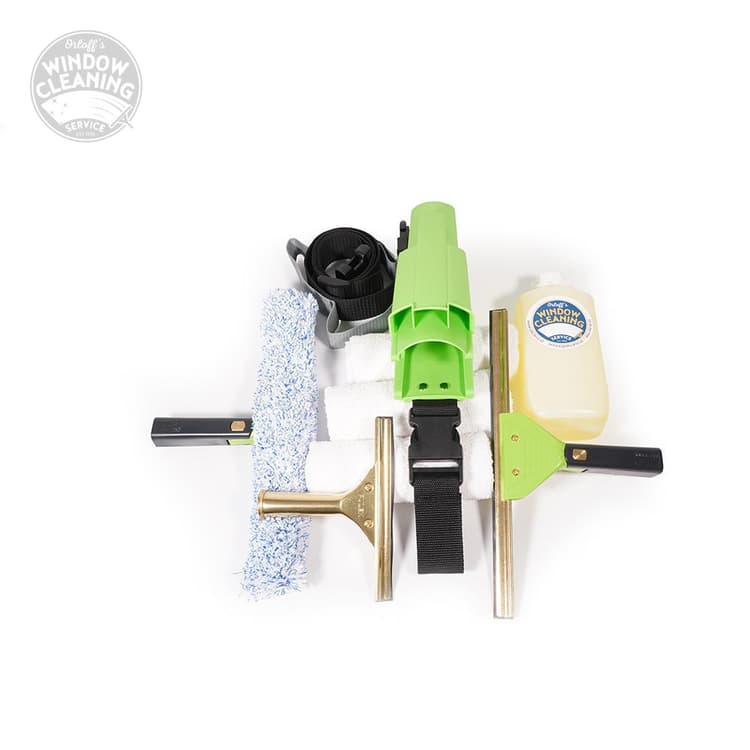
My daily tool list. This is what I carry to every job.
Follow these steps in order. Each one builds on the last. This is the same sequence I use on every Oknoplast installation.
- 1
Detail the frame first
Before touching the glass, wipe down the window frame edges with a damp microfibre cloth and mild soapy water. This removes the dust, pollen, and grime sitting on the uPVC surface around the glass.
When the squeegee rubber makes contact with the frame edge at the end of a pass, any dirt sitting there gets picked up and dragged back across the glass as a streak. Cleaning the frame first eliminates that problem. Every time, without exception.
- 2
Agitate the glass
Dip your T-bar applicator into the soapy water on both sides and apply the solution across the entire glass area using overlapping horizontal strokes. On larger Oknoplast panels, take extra care to cover the full glass area evenly - large glazed units can look partially clean while one section is still dry.
The goal is to dissolve and loosen the dirt so the squeegee can shave it away cleanly. If the dirt is not fully suspended in the solution, the remaining grit drags across the glass under squeegee pressure, leaving smear marks or micro-scratches.
Never clean Oknoplast windows in direct sunlight. The soap solution evaporates before you can squeegee it off, baking a residue onto the glass surface that is harder to remove than the original dirt.
- 3
Detail the frame again before squeegeeing
Once the glass is fully agitated, run a dry corner of your cotton rag along the top edge and both side edges of the window frame. This removes the pooled soapy water sitting on the uPVC profile.
When the squeegee reaches those edges, it will not pick up dirty residue from the frame and drag it back across the clean glass. This takes ten seconds and prevents the majority of edge streaks.
- 4
The three squeegee turns
Side to side: start at the top edge of the window with a dry rubber. Work across the glass in a straight horizontal line. Tilt the squeegee slightly so water spills from only one side of the channel. Wipe the rubber dry on your cotton rag after each pass. Overlap slightly into the next line down. Repeat to the bottom.
Top to bottom: the same principle but working in vertical lines down the glass. Start in the top corner with a dry rubber. Tilt to direct water to the lower side. Wipe the rubber dry after each pass. Overlap into the next strip across. Repeat to the opposite edge.
The J tune: the professional continuous motion from the top of the window to the bottom in one smooth, unbroken movement. Your thumb guides the rotation so the squeegee pivots and continues across at the end of each horizontal pass. When this motion is in your muscle memory, it is the fastest and most consistent technique for any Oknoplast window size.
- 5
Edge detailing
After squeegeeing, there is always a thin line of water along the bottom edge and a small amount at the sides. Take a dry cotton rag, fold it to a clean corner, and detail these edges in one smooth pass.
Get your finger into the junction where the glass meets the uPVC frame seal. Remove any pooled soapy water sitting in that groove. If left to dry, it leaves a chalky residue mark that shows up as soon as the sun hits the glass.
Rotate to a clean section of rag every few windows. Do not use a saturated rag to remove water - it just moves it around.
- 6
Hardware and drainage
Oil all hinges and locking points once per year using a non-acidic light machine oil. While doing so, clear any dirt from the track around the hinges with a small brush. Check the drainage slots at the bottom of the frame are clear and open.
Pro Tips
- Ammonia-based glass sprays are explicitly prohibited by Oknoplast - this rules out most commercial window cleaning products. Mild soapy water only.
- Solvents and bleach on uPVC are permanent damage. There is no fix. Check every product label before it touches an Oknoplast frame.
- On large Winergetic Premium and Pilar panels, water pools at the bottom edge faster than on compact casements. Squeegee section by section and detail the bottom channel thoroughly.
- EPDM gaskets: no oily preparations, no concentrated cleaning agents near the rubber. A silicone-based conditioner twice per year keeps them functional.
- Never use fabric softener on microfibre cleaning cloths - it leaves a residue that transfers to the glass and is harder to remove than the original dirt.
- Vinegar and newspaper are often cited as DIY cleaning tips. Do not use either directly on Oknoplast uPVC frames - both can degrade the surface over time.
What NOT To Do
- Do not use ammonia-based cleaning agents on glass or frames. Oknoplast explicitly prohibits ammonia. This rules out most commercial glass sprays.
- Do not use solvents of any kind on uPVC frames. Solvents degrade and discolour the uPVC surface and the damage is permanent.
- Do not use bleach on frames, glass, or seals. Bleach discolours uPVC and cannot be reversed.
- Do not use cream cleaners or any products containing abrasive particles on glass or frames.
- Do not use steel wool, scouring pads, or abrasive scrubbers on any Oknoplast surface.
- Do not use oily preparations or concentrated cleaning agents near EPDM gaskets. These destroy the gasket material.
- Do not direct high-pressure water at Oknoplast windows. Pressure washing forces water past seals and into drainage channels.
- Do not use vinegar or newspaper directly on frame surfaces. Both can scratch or degrade uPVC over time.
- Do not use fabric softener on microfibre cleaning cloths - it leaves a residue that transfers to the glass.
- Do not clean windows in direct sunlight. The cleaning solution evaporates before it can be squeegeed off, baking residue onto the glass.
- Do not leave pooled water against the frame seal or in drainage slots. Remove it and keep channels clear.
Bundle Kits and Tool Recommendations
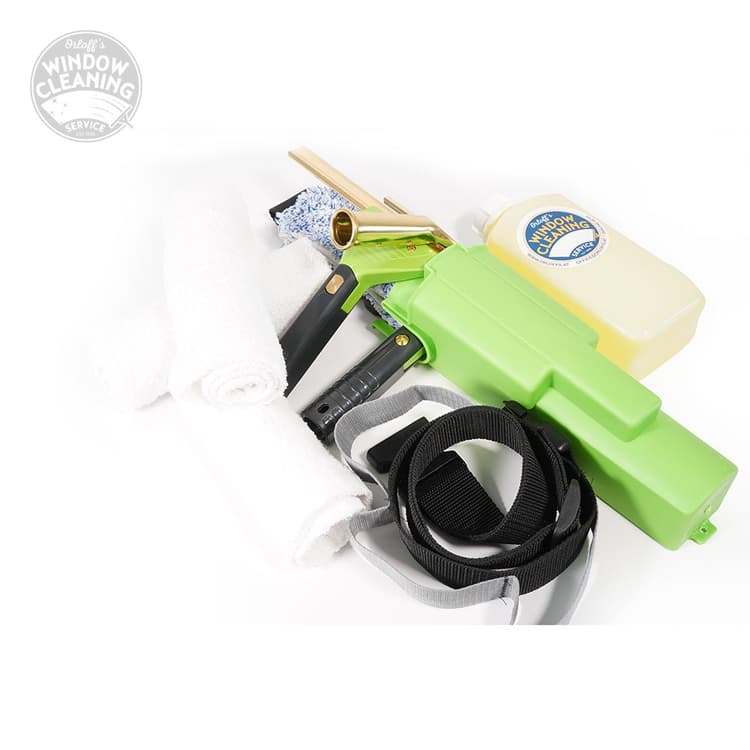
Bundle Kit
Tool Recommendations
T-bar applicator with microfibre cover
View on Amazon [coming soon]Professional squeegee with fresh rubber blade
View on Amazon [coming soon]Bucket with lukewarm water + 1 drop of mild pH-neutral dish soap per litre
View on Amazon [coming soon]Cleaning Frequency
Glass and frames: 2x per year minimum (Inside and out. Urban environments: quarterly. Coastal locations with salt air: quarterly at minimum.). Hardware lubrication: Once per year (Non-acidic oil or specialist window lubricant on hinges and locking points.). Seal conditioning: Twice per year (Silicone-based conditioner to keep EPDM gaskets soft and flexible.). Drainage slot inspection: After heavy rain and at the start of autumn. Seal inspection: Once per year (Check for cracks, flattening, or gaps.)
Frequently Asked Questions
Field Notes
“Glass and frames: minimum twice per year; quarterly in urban environments and coastal locations with salt air. Hardware lubrication: annual - non-acidic oil or specialist window lubricant on all hinges and locking points. EPDM gasket conditioning: twice per year with silicone-based conditioner. Drainage slots: clear after heavy rain and at the start of autumn when leaf matter accumulates. Seal inspection: once per year for cracks, flattening, or gaps.”
Justin Orloff
What's next for you?
The Skill
New to window cleaning?
Start with the core techniques before tackling premium systems.
Start Learning →The Standard
Upskill your team
Covers every system, product type, and tricky scenario.
View The Standard →Manufacturer
Partner with Orloffs
Are you Oknoplast or a similar manufacturer? Let's create official cleaning guidance together.
Get in Touch →