
Europe · Hardware Manufacturer
MACO Beschläge
🇦🇹 Austria · Last reviewed by Justin Orloff

Quick Facts
founded
1947
hq
Salzburg, Austria
primaryMaterials
Steel, stainless steel, zinc die-cast hardware components
glazingPartner
Hardware supplier - not a window manufacturer
marketTier
Premium
Brand at a Glance
- Country: Austria
- Market position: Premium European window and door hardware supplier
- Primary materials: Steel, stainless steel, zinc alloy
- Product types: Tilt-and-turn fittings, multi-point locks, hinge scissors, espagnolette rods, security systems
- Key system: MACO MULTI SAFE security hardware
- Finish options: Stainless steel, white, silver, gold, chrome, black
- Standards: EN 13126, EN 1303, CE marked hardware
- Distribution: Europe-wide through window fabricators
- End use: Residential and light commercial windows and doors
- Website: maco.eu
Product Range
- Tilt-and-turn window fittings
- Multi-point door locking systems
- Sliding and lift-and-slide fittings
- Security and access hardware
Why This System
MACO hardware is not visible on the finished window - you are maintaining the mechanism, not the surface, which requires understanding how the fitting system works rather than just what it looks like. The MACO tilt-and-turn system has specific lubrication points at the hinge scissors, the corner transfer pieces, and the keep engagement points - missing any one of these leaves the mechanism partially maintained. MACO MULTI SAFE security cams have a different engagement feel to standard cams - they require the handle to be fully engaged before the sash will seal correctly, and this is sometimes mistaken for a hardware fault. Hinge scissors on heavier sash loads carry more weight than standard residential fittings and need more frequent lubrication checks - a dry hinge scissors on a large sash causes uneven closing forces that distort the sash over time. MACO hardware finishes - particularly white and gold - can be affected by alkaline cleaning products running down from the frame. The finish is electroplated or lacquered and does not tolerate strong chemicals.
Step 1 of 2: Manufacturer Recommendations
Official Care Guidance
Source: ORLOFFS PROFESSIONAL GUIDANCE - BASED ON MACO PUBLISHED INFORMATION AND 25 YEARS FIELD EXPERIENCE
Glass
- Standard glass cleaning technique applies. MACO is a hardware supplier - the glass cleaning approach is determined by the window manufacturer's frame material.
- Keep cleaning solution away from hardware during glass cleaning. Squeegee drips onto exposed mechanism components deposit mineral residue that accelerates wear.
- After cleaning, operate the window through full tilt and turn cycle to confirm mechanism moves freely.
- Check the glass unit seal condition at the same time - a failed glass seal on a window with worn hardware means two simultaneous faults.
Frames
- Clean frames according to material - PVC, aluminium, or timber depending on the window manufacturer's product.
- Do not allow alkaline or acidic frame cleaners to run onto MACO hardware finishes - the plating and lacquer on hardware is less chemical-resistant than the frame material.
- Wipe hardware surfaces with a damp cloth and dry immediately. Do not leave frame cleaning solution on hardware.
- Check the drainage slots in the frame base at every clean - blocked drainage causes water to pool at the sash base where hardware is most vulnerable to corrosion.
Hardware
- Lubricate all moving points annually: hinge scissors, corner transfer pieces, espagnolette rod guides, locking cams, and keep engagement surfaces.
- Use light machine oil or PTFE spray. Do not use thick grease - it attracts dust and gums up the mechanism over time.
- Operate the handle through full rotation after lubrication to work the oil into all engagement surfaces.
- Check hinge scissors for lateral play - a sash that can be pushed sideways when open means the scissors pivot is worn and needs replacement.
Step 2 of 2: The Orloffs Protocol
The Orloffs Protocol
This is how I clean MACO Beschläge windows. The tools and technique below come from 25 years of daily professional work on the glass. Every step has been tested on real installations and adapted specifically for MACO Beschläge systems.
Pro Tools
My daily tool list. This is what I carry to every job.
Follow these steps in order. Each one builds on the last. This is the same sequence I use on every MACO Beschläge installation.
- 1
Visual inspection before cleaning
Open each window to tilt position and check the hinge scissors for lateral play and the espagnolette rod for bends or displaced sections.
Close and lock each window and check that all locking cams engage the keeps cleanly with no handle resistance.
Note any windows that feel stiff, drop on opening, or do not lock fully - these need lubrication before you leave the site.
- 2
Glass cleaning
Clean glass first, before any hardware work. Cleaning solution should not contact hardware - angle your squeegee strokes away from the hinge side and lock side where hardware is exposed.
On tilt-and-turn windows, clean the inner face first in tilt position, then close and clean the outer face through the open turn position.
Dry any solution that reaches hardware immediately with a cotton cloth.
- 3
Frame wipe-down
Clean frames with material-appropriate product. Keep the cleaning solution away from hardware faces.
Wipe around the espagnolette rod slots in the sash edge with a damp cloth to remove accumulated grime from the rod guides.
Clear all drainage slots in the frame base before moving to hardware lubrication.
- 4
Hardware lubrication
Apply light oil or PTFE spray at the hinge scissors pivot points, one drop per pivot, on both upper and lower scissors sets.
Work oil into the espagnolette rod guides by applying a thin line along the rod and operating the handle several times to distribute.
Apply oil to the corner transfer piece by inserting the thin nozzle into the access point at the sash corner. One drop and three full handle rotations.
- 5
Locking cam and keep check
Close the window and engage the lock. The handle should rotate to horizontal with consistent, light resistance - no sudden hard spots.
Inspect each locking cam through the frame gap to confirm it is seated fully in the keep. A cam that rides over the keep surface instead of engaging behind it needs keep adjustment.
Adjust keeps as needed using the slotted fixing. Move the keep toward the cam until full engagement is felt.
- 6
Final operation test
Operate every window through the full sequence: closed and locked, handle to open, tilt position, return to open, close, lock. The full cycle confirms all mechanism points are free.
A window that passes the full cycle test smoothly after maintenance is done. A window that still has a stiff or resistant point needs the specific point identified and re-lubricated or flagged for repair.
Record any windows with worn hinge scissors, bent rods, or missing cams for the property owner.
Pro Tips
- Corner transfer pieces are the most commonly seized point in any tilt-and-turn mechanism. Give them an extra application if you feel any resistance in the handle at the 45-degree position.
- PTFE spray is better than oil in kitchens and bathrooms where grease and dust combine to gum up oil-lubricated mechanisms quickly.
- A sash that drops 2 to 3mm on opening usually means a dry or worn hinge scissors - lubricate first and recheck. If the drop persists after lubrication, the scissors pivot is worn.
- Never use WD-40 as a long-term lubricant on window hardware. It displaces moisture short-term but leaves no protective film and the mechanism is drier six months later than before you applied it.
- MACO hardware finishes in white or gold are lacquered over a base plating. Standard glass cleaner running onto the hardware from above deposits mineral residue that dulls the finish - wipe it off before it dries.
- The espagnolette rod on a tilt-and-turn window runs in a channel in the sash edge. Grime builds in this channel and acts as an abrasive on the rod. Clean the channel out with a damp cloth before oiling.
- If a handle suddenly becomes very light to operate and the window does not feel locked, check whether a locking cam has sheared off the rod. This is rare but happens on heavily used windows and the window is insecure until repaired.
What NOT To Do
- Do not use thick grease on MACO mechanisms - it attracts dust, builds up in guide channels, and makes the mechanism harder to operate within two years.
- Do not allow alkaline frame cleaners to pool on hardware finishes - the lacquer on coloured and plated finishes degrades under repeated alkali exposure.
- Do not force a stiff handle - forcing a stiff MACO mechanism bends the espagnolette rod, which then requires replacement rather than lubrication.
- Do not adjust keeps with the window open - keep adjustment must be done with the window closed and the cam in contact with the keep face.
- Do not ignore a sash that drops on opening - progressive hinge scissors wear accelerates once the pivot starts to work loose.
Bundle Kits and Tool Recommendations
Bundle Kit
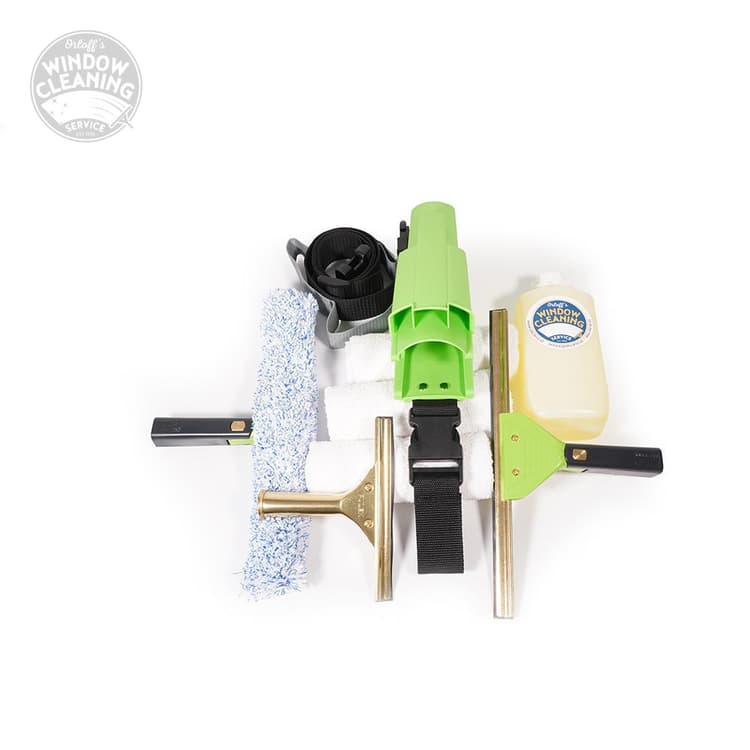
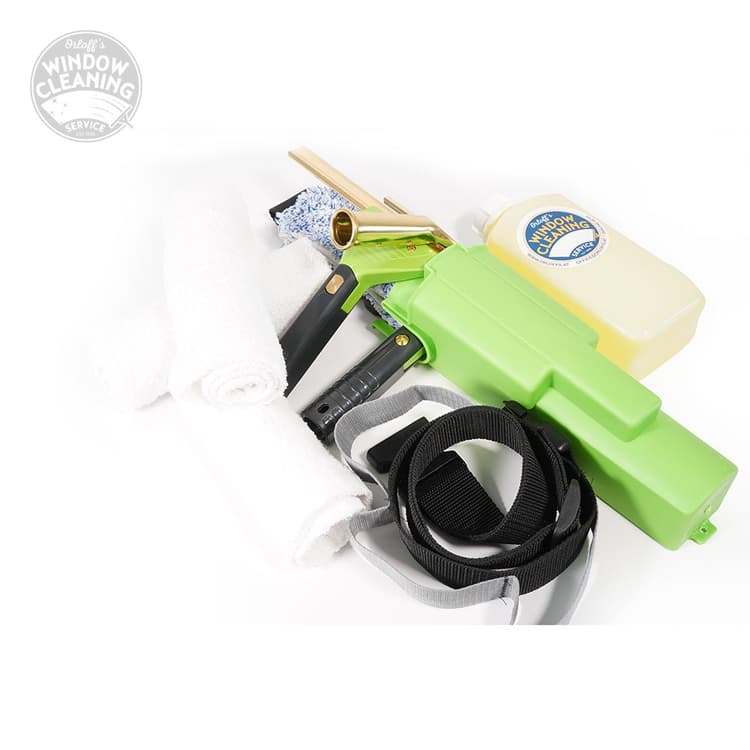
Tool Recommendations
Thin-nozzle machine oil applicator
View on Amazon [coming soon]PTFE dry lubricant spray
View on Amazon [coming soon]pH-neutral window frame cleaner
View on Amazon [coming soon]Cleaning Frequency
Glass: 2x per year minimum (Determined by window manufacturer, not MACO hardware specification.). Hardware lubrication: Once per year (Every moving point. More frequent in coastal or industrial environments where corrosion risk is higher.). Keep adjustment check: Once per year (Check engagement at the annual lubrication visit. Adjust any keeps showing incomplete cam seating.). Hinge scissors inspection: Once per year (Check for lateral sash play at each service visit. Early detection prevents sash damage from progressive misalignment.)
Frequently Asked Questions
Field Notes
“MACO hardware is in more central European windows than most property owners realise. Learning to service it correctly covers a very large proportion of the residential window stock across Austria, Germany, and surrounding markets. The corner transfer piece is the single most common cause of stiff handles across all tilt-and-turn systems. Experienced technicians go there first every time. Annual lubrication of MACO hardware takes approximately three minutes per window. Skipping it for five years produces a mechanism that needs replacement rather than maintenance - an hour of hardware work versus an afternoon of remediation.”
Justin Orloff
What's next for you?
The Skill
New to window cleaning?
Start with the core techniques before tackling premium systems.
Start Learning →The Standard
Upskill your team
Covers every system, product type, and tricky scenario.
View The Standard →Manufacturer
Partner with Orloffs
Are you MACO Beschläge or a similar manufacturer? Let's create official cleaning guidance together.
Get in Touch →