
Europe · Window Manufacturer
Josef Meeth Fensterfabrik
🇩🇪 Germany · Last reviewed by Justin Orloff

Quick Facts
founded
1903 (carpentry roots); serial window production from 1963
hq
Laufeld, Rheinland-Pfalz, Germany
primaryMaterials
uPVC with continuous steel reinforcement
glazingPartner
In-house (glass line installed 2023)
marketTier
Mid-market
Brand at a Glance
- Founded: 1903 (carpentry roots); serial window production from 1963
- HQ: Laufeld, Rheinland-Pfalz, Germany
- Market position: Mid-market German uPVC window and door manufacturer supplying DIY retail and trade
- Frame materials: uPVC with continuous steel reinforcement
- Glazing: Double and triple glazed. CLIMATOP XN LIGHT triple glazing standard on JM 76/3 and JM 88/3. Ug 0.7 W/(m2K). ESG and VSG safety glass available.
- Key ranges: JM 76/3, JM 77/3 MD, JM 88/3, JM 60/2, JM 60/3, PremiDoor 76 (lift-slide)
- Warranty: Contact Josef Meeth directly for current warranty terms
- Where they sell: Germany, Austria, Switzerland, Czech Republic - primarily through DIY store chains
- Official care documentation: Contact Josef Meeth at info@meeth.de or 06572/81-0
- Website: meeth.de
Product Range
- JM 60/2 and JM 60/3
- JM 76/3
- JM 77/3 MD
- JM 88/3
- PremiDoor 76
Why This System
In-house glass production - Meeth manufactures its own CLIMATOP XN LIGHT triple-glazed units since 2023. Lightweight triple glazing approximately 30% lighter than conventional triple units while maintaining Ug 0.7 W/(m2K) performance. Steel-reinforced multi-chamber profiles throughout all series - frames are rigid and precise, which means frame edges and drainage channels collect dirt in structured ways that need specific cleaning attention. Multiple series with different profile depths - the frame depth affects how water pools at edges after squeegeeing. The JM 88/3 dual-sealing system has more edge geometry to detail. uPVC is permanently damaged by solvents, ammonia, and bleach - and the damage cannot be reversed. Most commercial glass sprays contain ammonia. DIY store distribution means not everyone who buys and installs these windows has told the homeowner about that. If hardware is stiff or drainage channels are blocked, the first call is always to a qualified window installer - installation quality varies when windows come through DIY chains.
Step 1 of 2: Manufacturer Recommendations
Official Care Guidance
Source: GENERAL uPVC MANUFACTURER CARE GUIDELINES applicable to Josef Meeth's uPVC product range. Contact Josef Meeth at info@meeth.de or 06572/81-0 for product-specific documentation.
Glass
- Clean with lukewarm water and a small amount of mild pH-neutral dish soap.
- No solvents of any kind on or near the glass edge seals.
- No ammonia-based products - this rules out most commercial glass sprays.
- No abrasive cloths, steel wool, or scouring pads.
- No sharp tools or razor blades on the glass surface.
- No high-pressure water directed at the glass, frame joints, or hardware.
uPVC Frames
- Clean with a soft, non-abrasive cloth and lukewarm water with mild pH-neutral soap.
- Rinse thoroughly after cleaning - soap residue left to dry on uPVC leaves a dull film.
- No solvents. Acetone, cellulose thinners, and similar products will melt or degrade the uPVC surface - the damage is permanent.
- No ammonia. Ammonia-based products discolour and degrade uPVC over time.
- No bleach. Bleach causes permanent discolouration and attacks the uPVC compound.
- No abrasive cleaning agents, powders, or scouring pads.
- No steam cleaners. Hot steam can warp or damage uPVC profiles.
- No household remedies such as toothpaste, oven spray, or nail polish remover.
Hardware
- Lubricate all moving hardware - hinges, locking points, tilt-turn mechanisms - at least once per year.
- Use a light machine oil or specialist window hardware lubricant.
- Keep drainage slots in the frame sill clear of debris and dirt.
- If hardware becomes stiff or the window is difficult to open or close, contact a qualified window installer for adjustment.
Gaskets and Seals
- Wipe gaskets clean with a damp cloth and mild soap. Rinse and dry.
- Inspect seals annually for cracks, hardening, or gaps - particularly after heavy storms.
- Do not use silicone sprays on gaskets. These cause the rubber to swell and deform over time.
- Damaged or cracked gaskets should be replaced by a qualified installer.
Drainage Channels
- Check drainage slots (Entwaesserungsoffnungen) in the lower frame profile at least twice per year.
- Clear any blockages - leaf debris, dirt, and insect nests are the most common causes.
- Blocked drainage causes water to pool in the frame, accelerating seal deterioration and causing damp ingress.
Step 2 of 2: The Orloffs Protocol
The Orloffs Protocol
This is how I clean Josef Meeth Fensterfabrik windows. The tools and technique below come from 25 years of daily professional work on the glass. Every step has been tested on real installations and adapted specifically for Josef Meeth Fensterfabrik systems.
Pro Tools
My daily tool list. This is what I carry to every job.
Follow these steps in order. Each one builds on the last. This is the same sequence I use on every Josef Meeth Fensterfabrik installation.
- 1
Detail the uPVC frame first
Before touching the glass, wipe the uPVC frame edges with a damp soft microfibre cloth and mild soapy water. Pay particular attention to the rebate edge where the frame meets the glass - this is where dirt collects in Meeth's multi-chamber profiles.
This step matters because when the squeegee rubber reaches the frame edge, it picks up whatever is sitting there and drags it across the clean glass as a streak. Clean the frame first, every time, with no exceptions.
- 2
Clear the drainage slots
While you have the damp cloth in hand, check the drainage slots in the bottom frame sill. Run the cloth along the sill channel to clear any debris. This takes ten seconds and is the single most neglected step in window maintenance.
- 3
Agitate the glass
Dip your T-bar applicator fully into the soapy water and apply the solution across the whole glass surface in overlapping strokes. The goal is to dissolve the dirt and release it from the glass - so the squeegee can shave it off cleanly.
If dirt is not fully dissolved before the squeegee passes over it, grit is dragged across the glass and creates micro-scratches or smears. Never clean in direct sunlight - the soap solution dries onto the glass before you can squeegee it off.
- 4
Detail the frame edges before squeegeeing
Once the glass is agitated, fold a dry corner of your cotton rag and run it along the top edge and both side edges of the window. This removes the pooled soap water sitting on the frame rebate. When the squeegee travels to those edges, it will not pick up dirty residue and drag it back across the glass.
- 5
The three squeegee turns
Side to side: start at the top edge of the window with a dry rubber. Work across the glass in a straight horizontal line, tilting the squeegee so the soap water spills from one side of the channel only. Wipe the rubber dry after each pass. Overlap slightly into the next line down. Repeat to the bottom.
Top to bottom: the same principle run vertically. Start in the top corner with a dry rubber. Tilt to direct water to the lower side. Wipe the rubber dry after each line. Overlap into the next column across.
The J tune: this is the continuous professional motion - one unbroken movement from the top of the window to the bottom. Your thumb guides the rotation as you reach the end of a horizontal pass, rotating the squeegee and continuing down. When this motion is in muscle memory, it is the fastest and most consistent technique for any Meeth window size.
- 6
Edge detailing
After squeegeeing, a thin line of water remains along the bottom edge and at both sides. Take a dry cotton rag, fold it to a clean corner, and detail these edges in one smooth pass.
Get your finger into the edge where the glass meets the gasket. Remove any pooled soap water sitting in that joint. If left to dry, it leaves a white residue mark that shows up clearly when the sun hits the glass at an angle.
Rotate the rag to a clean, dry section as you move around the window. Replace the rag with a fresh one every few windows.
- 7
Hardware check
While you are at the window, take thirty seconds to check the hinges and locking points. If anything feels stiff, note it. Oil hardware once per year with a light machine oil.
Pro Tips
- Never use a commercial glass spray near a Josef Meeth uPVC frame - most contain ammonia, which permanently degrades the uPVC surface.
- Clean the frame first, every time - dirty frames cause streaks when the squeegee reaches the edge.
- The CLIMATOP XN LIGHT triple-glazed units are slightly flexible - apply consistent even pressure, not heavy pressing at edges.
- Rinse uPVC frames thoroughly after cleaning - soap residue left to dry leaves a dull film.
- Check drainage slots at least twice per year - blocked drainage causes water to pool in the frame and accelerates seal failure.
What NOT To Do
- Do not use solvents on any Josef Meeth uPVC surface - acetone, cellulose thinners, and similar products melt and degrade the uPVC permanently.
- Do not use ammonia-based cleaning agents - this rules out most commercial glass sprays.
- Do not use bleach - bleach permanently discolours uPVC.
- Do not use abrasive cloths, steel wool, scouring pads, or abrasive cleaning powders on frames or glass.
- Do not use sharp tools or razor blades on any glass or frame surface.
- Do not direct high-pressure water at any Josef Meeth window.
- Do not use steam cleaners on uPVC frames - hot steam warps and damages the profiles.
- Do not use household remedies such as toothpaste, oven spray, nail polish remover, or black tea.
- Do not use silicone sprays on rubber gaskets - these cause the gaskets to swell and fail prematurely.
- Do not ignore blocked drainage slots - pooled water in the frame sill accelerates seal failure and risks damp ingress.
- Do not clean in direct sunlight - soap solution dries before it can be removed.
Bundle Kits and Tool Recommendations
Bundle Kit
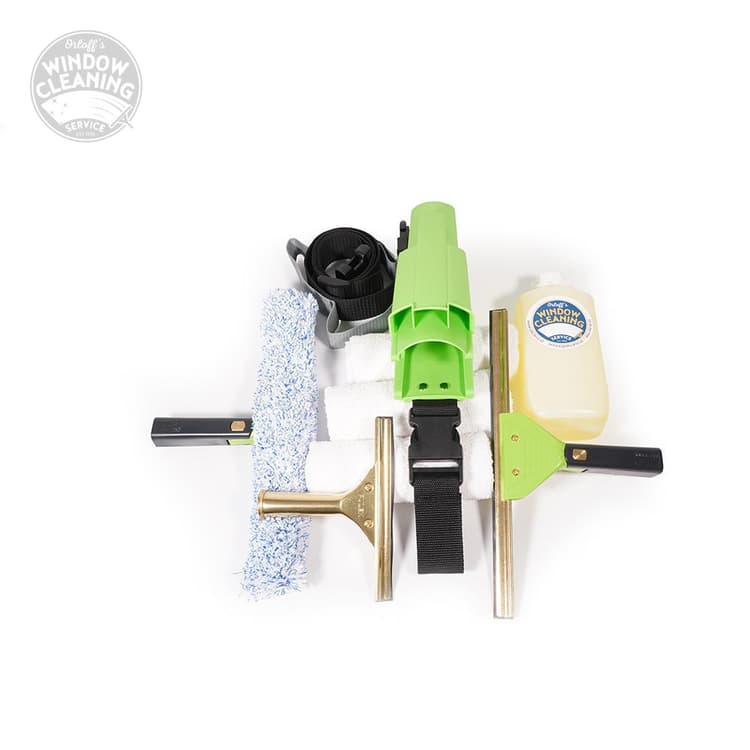
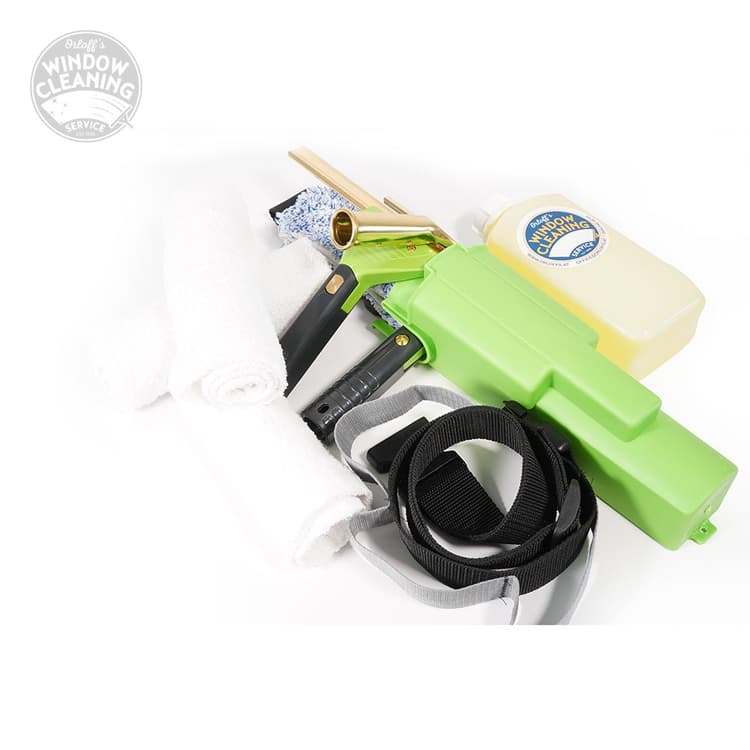
Tool Recommendations
T-bar applicator with microfibre cover
View on Amazon [coming soon]Professional squeegee with a fresh rubber blade
View on Amazon [coming soon]Bucket with lukewarm water + 1 drop of mild pH-neutral dish soap per litre
View on Amazon [coming soon]Cleaning Frequency
Glass and frames: Minimum 2x per year (Inside and out. Urban environments with traffic pollution: quarterly.). Drainage slots: At least 2x per year (Spring and autumn. Clear blockages before they cause water pooling.). Hardware lubrication: Once per year (Light machine oil on hinges, locking points, and tilt-turn mechanisms.). Gasket and seal inspection: Once per year (Or after heavy storms or extreme temperature events.). uPVC frame condition check: Annually (Look for discolouration, chalking, or surface changes that may indicate product damage.)
Frequently Asked Questions
Field Notes
“Glass and frames: twice per year minimum - quarterly in urban environments with traffic pollution or construction dust. Drainage slots: check and clear at least twice per year - spring and autumn. Hardware lubrication: once per year with a light machine oil. Gasket and seal inspection: once per year, or after heavy storms or extreme temperature events. uPVC frame condition: check annually for discolouration or surface changes that indicate product damage.”
Justin Orloff
What's next for you?
The Skill
New to window cleaning?
Start with the core techniques before tackling premium systems.
Start Learning →The Standard
Upskill your team
Covers every system, product type, and tricky scenario.
View The Standard →Manufacturer
Partner with Orloffs
Are you Josef Meeth Fensterfabrik or a similar manufacturer? Let's create official cleaning guidance together.
Get in Touch →