
Asia-Pacific · Window Manufacturer
Hyundai L&C
🇰🇷 South Korea · Last reviewed by Justin Orloff
Quick Facts
Founded
1984
HQ
Seoul, South Korea
Parent
Hyundai Department Store Group
Materials
uPVC (REHAU platform), surfaces, flooring
Specialty
R-7 premium uPVC window system
Market
South Korea premium residential and commercial
Brand at a Glance
- Building materials division of the Hyundai Department Store Group - separate from Hyundai Motor or HEC
- R-7 uPVC window brand built on REHAU German profile technology
- Premium residential positioning in South Korea with strong energy performance credentials
Product Range
- R-7 uPVC casement, tilt-and-turn, and sliding windows for premium residential and commercial use
- Aluminium composite window systems for high-specification projects
- Interior surface products including solid surfaces and laminates
Why This System
R-7 profiles inherit REHAU engineering - multi-chamber construction, steel reinforcement for structural integrity, and consistent uPVC chemistry stabilised for long-term UV and temperature resistance. For window cleaners, this means the same rules that apply to REHAU systems in Europe apply here: pH-neutral products only, no solvent contact near seals, and no abrasive materials that scratch the profile surface and trap subsequent dirt.
Korean humid summers create condensation cycles that accelerate mould growth on seal edges, particularly on north-facing elevations. R-7 window seals are EPDM rubber - compatible with most professional window cleaning detergents but not with solvent-based products. Yellow dust season loads every external profile surface with fine alkaline particulate that must be flushed before any cleaning begins.
Step 1 of 2: Manufacturer Recommendations
Official Care Guidance
Step 2 of 2: The Orloffs Protocol
The Orloffs Protocol
This is how I clean Hyundai L&C windows. The tools and technique below come from 25 years of daily professional work on the glass. Every step has been tested on real installations and adapted specifically for Hyundai L&C systems.
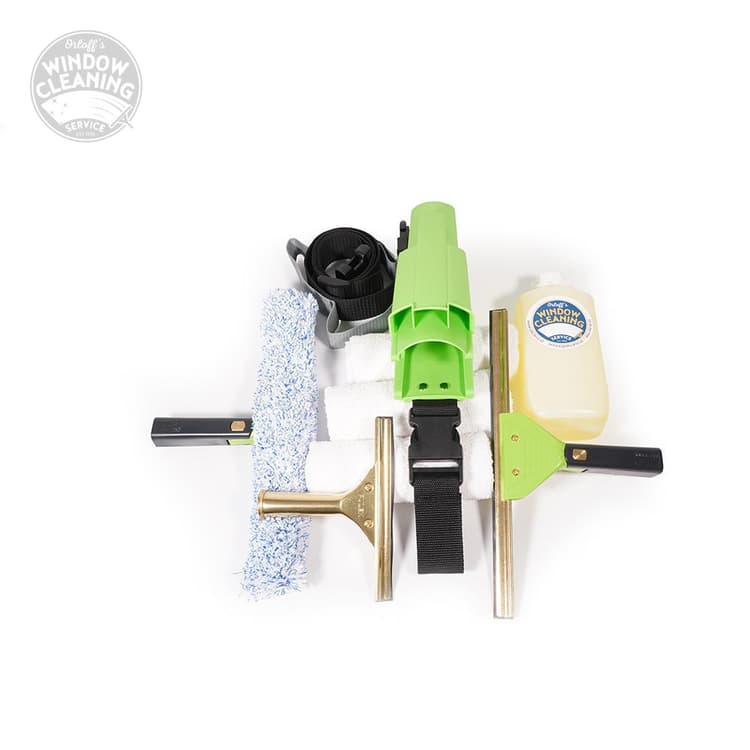
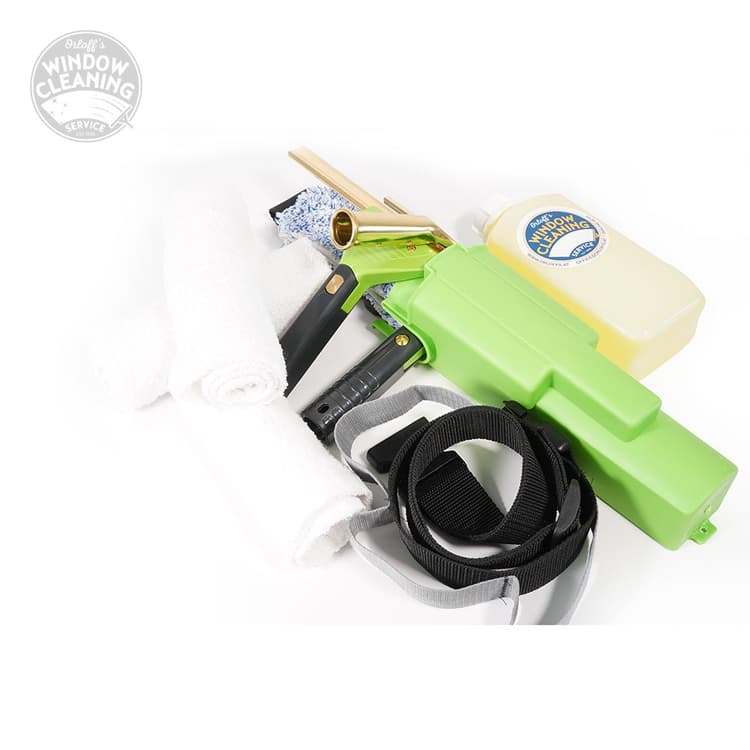
Pro Tools
My daily tool list. This is what I carry to every job.
Follow these steps in order. Each one builds on the last. This is the same sequence I use on every Hyundai L&C installation.
- 1
1. Pre-rinse all surfaces with clean water - glass, R-7 profiles, sills, and drainage channels. Remove yellow dust and loose contamination before introducing cleaning solution.
- 2
2. Apply pH-neutral solution to glass. Avoid contact with rubber gasket seals where possible - excess solution in seal grooves takes time to dry and can leave residue.
- 3
3. Squeegee glass top to bottom. Wipe blade between passes.
- 4
4. Wipe uPVC R-7 profiles with a damp microfibre cloth. Use a second cloth - not the glass cloth - to avoid cross-contamination of grit onto profiles.
- 5
5. Clear weep holes and drainage channels with a soft brush. R-7 systems channel water via base weep holes - blockage causes water to pool inside the lower frame section.
Pro Tips
- R-7 profiles share REHAU material characteristics - any product certified safe for REHAU uPVC is appropriate for R-7.
- In Seoul apartment towers, R-7 windows on lower floors in traffic-exposed elevations accumulate diesel particulate between cleans - increase frequency for street-level and lower-floor units.
- Seal edges on R-7 windows in humid Korean summers show mould growth fastest on gasket faces not exposed to airflow. Check these on every visit and note to building managers if growth is advancing.
What NOT To Do
- Do not use solvent-based cleaners near R-7 EPDM seals - seals will harden and lose compression.
- Do not use abrasive pads on uPVC profiles - REHAU-platform surfaces scratch and the damage is irreversible.
- Do not skip the pre-rinse during yellow dust season - fine particulate under a squeegee on glass or a cloth on profiles causes surface abrasion.
Bundle Kits and Tool Recommendations
Bundle Kit
Tool Recommendations
pH-neutral window cleaning detergent compatible with uPVC
View on Amazon [coming soon]14-inch squeegee with fresh rubber
View on Amazon [coming soon]Microfibre cloths (separate sets for glass and frames)
View on Amazon [coming soon]Cleaning Frequency
Every 6-8 weeks in urban environments. Monthly during yellow dust season and humid summer months if mould on seals is a known issue in the building.
Frequently Asked Questions
Field Notes
“R-7 windows specified in Korean apartment complexes often have integrated insect screens. Remove screens before cleaning and clean separately - screens trap yellow dust and if left in place they transfer contamination back to glass on reinstallation. Shake screens out, rinse with clean water, allow to dry before refitting.”
Justin Orloff
What's next for you?
The Skill
New to window cleaning?
Start with the core techniques before tackling premium systems.
Start Learning →The Standard
Upskill your team
Covers every system, product type, and tricky scenario.
View The Standard →Manufacturer
Partner with Orloffs
Are you Hyundai L&C or a similar manufacturer? Let's create official cleaning guidance together.
Get in Touch →