Europe · Profile System
Forster Profilsysteme
🇨🇭 Switzerland · Last reviewed by Justin Orloff
Quick Facts
founded
1886
hq
Arbon, Switzerland
primaryMaterials
Steel profiles (standard and stainless options)
glazingPartner
System supplier - glazing specified by fabricator
marketTier
Premium
Brand at a Glance
- Founded: 1886
- HQ: Arbon, Switzerland
- Market position: Premium steel profile systems for windows, doors, and facades
- Primary material: Steel profiles (thermally broken and non-thermally-broken)
- Key ranges: Forster unico, Forster thermfix vario, Forster presto, Forster fuego (fire-rated)
- Profile depth: From 32 mm (unico) to 128 mm (thermfix) depending on system
- Thermal performance: Non-thermally-broken (unico) to passive-house compatible (thermfix)
- Fire rating: Forster fuego range rated to EI 30 and EI 60
- Finish: Powder-coat in any RAL colour, hot-dip galvanised for humid environments
- Website: forster-profile.ch
Product Range
- Forster unico
- Forster thermfix vario
- Forster presto
- Forster fuego
Why This System
Steel profiles are structurally different from PVC and aluminium - they do not flex, do not expand and contract as dramatically with temperature, and allow very large glass spans that other materials cannot achieve at the same profile depth. Non-thermally-broken steel systems (Forster unico) conduct temperature from outside to inside. In cold weather the inner face of the frame will be cold to the touch and may show condensation in humid interiors - this is a physical property of the system, not a defect. Powder-coat on steel profiles is applied over a galvanised or primed steel substrate. Scratches in the powder coat expose steel beneath, which will rust if moisture reaches it. Abrasive cleaning is more damaging on steel than on aluminium. Steel profiles are often specified in heritage projects alongside original steel windows from the early 20th century. The cleaning protocol for Forster profiles should not be confused with the restoration protocols for corroded original steel windows. Fire-rated Forster fuego systems have specific intumescent seals that expand in fire conditions. These seals should not be cleaned with solvent-based products - any product that degrades the intumescent material compromises the fire rating.
Step 1 of 2: Manufacturer Recommendations
Official Care Guidance
Source: ORLOFFS PROFESSIONAL GUIDANCE - BASED ON FORSTER PROFILSYSTEME PUBLISHED INFORMATION AND 25 YEARS FIELD EXPERIENCE
Glass
- Lukewarm water with mild dish soap or purpose-made glass cleaner. No ammonia on coated glass.
- Microfibre T-bar applicator on wash, professional squeegee on pull. Fresh rubber.
- On large glass panels, use an extended squeegee channel and overlap passes carefully.
- No razor blades - check for coatings first. Toughened glass in Forster systems may carry surface treatments.
Frames
- Soft cloth with pH-neutral cleaner only. No abrasive pads, no scouring products, no steel wool near steel profiles.
- No solvent-based products near intumescent seals in fire-rated systems.
- No alkaline or acidic products on powder-coated steel - both attack the coating over time.
- Dry all steel surfaces immediately after cleaning - standing water on or around steel profiles causes rust staining at drainage points.
Hardware
- Wipe all hardware with a damp soft cloth and dry immediately.
- Lubricate pivot hinges and locking mechanisms with light machine oil annually.
- Check for rust spots at hinge mounting points and locking hardware fixings - these are the first corrosion points if powder coat has been scratched during installation.
Step 2 of 2: The Orloffs Protocol
The Orloffs Protocol
This is how I clean Forster Profilsysteme windows. The tools and technique below come from 25 years of daily professional work on the glass. Every step has been tested on real installations and adapted specifically for Forster Profilsysteme systems.
Pro Tools
My daily tool list. This is what I carry to every job.
Follow these steps in order. Each one builds on the last. This is the same sequence I use on every Forster Profilsysteme installation.
- 1
Assessment
Identify which Forster system is installed - unico (non-thermally-broken, very slim profile), thermfix or presto (thermally broken), or fuego (fire-rated). The distinction matters for intumescent seal location on fuego systems.
Check for any existing powder coat scratches, chips, or rust spots. Photograph and record before starting - you need to know the pre-existing condition.
Assess access for large glass panels. Panels over 2 metres in height may require extended tools or additional equipment.
- 2
Glass wash
Apply solution with T-bar in overlapping passes. On large panels, load the T-bar more frequently to keep the solution film even.
Dwell 30 to 60 seconds on any soiling. Do not scrub - gentle agitation with the T-bar fibre is sufficient.
Keep solution away from intumescent seals on fuego systems.
- 3
Edge detail
Run a soft cloth along the rebate groove before squeegeeing. On slim Forster profiles, the rebate is narrower than on PVC systems - a narrow cloth or edge tool keeps the cloth off the profile face during this step.
Dry the top frame rail before squeegeeing.
On profiles with intumescent seals visible in the rebate, avoid wetting the seal during this step.
- 4
Squeegee
Standard technique on glass. On panels over 1.5 metres in height, side-to-side passes work better than fanning due to the large surface area.
Wipe rubber clean after every pass - on dark powder-coated frames, the rubber picks up surface dust and deposits it as a mark on the glass edge.
Finish with a bottom-edge pass. Tip the squeegee so water falls clear of the frame rather than pooling against the steel profile base.
- 5
Frame wipe-down
Apply pH-neutral cleaner to a soft cotton cloth - not directly to the profile. Wipe the profile face and dry immediately with a second clean cloth.
Do not leave any moisture on the steel profile surface, especially at rebate corners and drainage channel exits.
On fuego systems, avoid the intumescent seal areas with any wet cloth.
- 6
Hardware check and corrosion assessment
Dry all hardware and locking points after cleaning.
Check hinge mounting points and locking hardware fixings for any rust spots. Early-stage rust appears as a brown stain or a small blister in the powder coat around a fixing screw.
Report any corrosion initiation points to the property owner before the next clean - early intervention prevents structural corrosion.
Pro Tips
- On Forster unico systems in cold months, the inner profile face may be cold or show condensation when you arrive. Let the interior warm up before cleaning the inside face - a cold wet profile takes much longer to dry and increases moisture exposure time.
- Use a torch to check inside drainage channels on Forster frames - the channels are narrower than on PVC systems and debris blocks them faster.
- On heritage renovation projects, distinguish between original steel frames and new Forster profiles before starting - original steel may be in a restoration or conservation phase and should not receive standard cleaning products.
- Dark powder-coat colours on premium Forster projects show fingerprints and cloth marks more clearly than standard window frame finishes. Use a lint-free cloth for the final dry pass on dark frames.
- Scratches in powder coat on steel profiles need to be reported promptly. A small scratch treated with touch-up paint within a few months of discovery prevents a rust problem that requires full refinishing to resolve.
- On Forster fuego fire-rated systems, note the location of intumescent seals on your first visit and mark them on a site plan. Any product application near these seals at subsequent visits needs to avoid the intumescent material.
- Large commercial Forster facade elements may require water-fed pole technique rather than traditional squeegee access. Assess whether the installed glass area and height are within the safe reach of your equipment before starting.
What NOT To Do
- Do not use any abrasive pad, cloth, or brush on powder-coated steel profiles - scratches reach the substrate and initiate corrosion.
- Do not apply solvent-based cleaners near intumescent seals on Forster fuego systems.
- Do not leave standing water on steel frame surfaces - dry immediately after every clean.
- Do not use alkaline or strongly acidic products on powder-coated steel - both attack the coating.
- Do not confuse condensation on the inner face of Forster unico frames with a cleaning issue or a defect.
Bundle Kits and Tool Recommendations
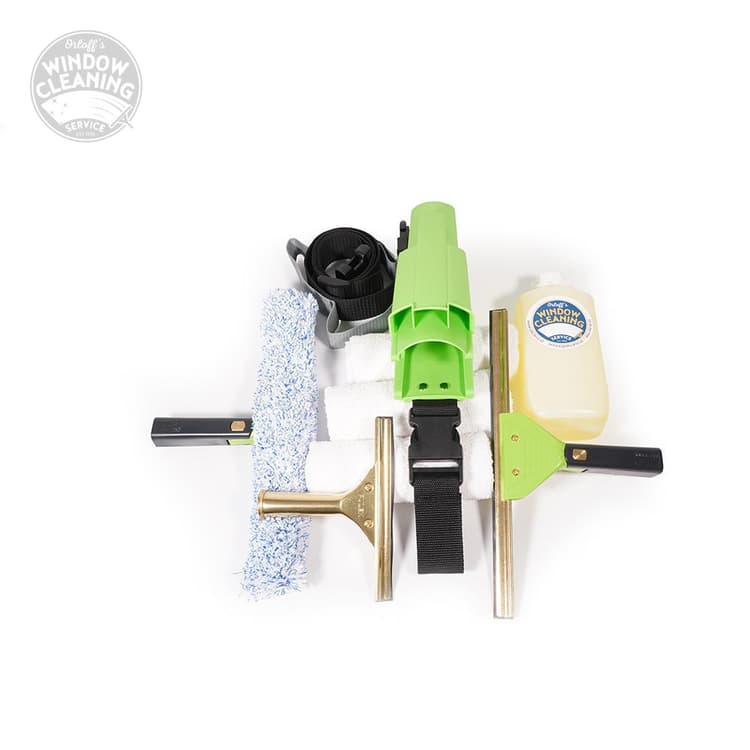
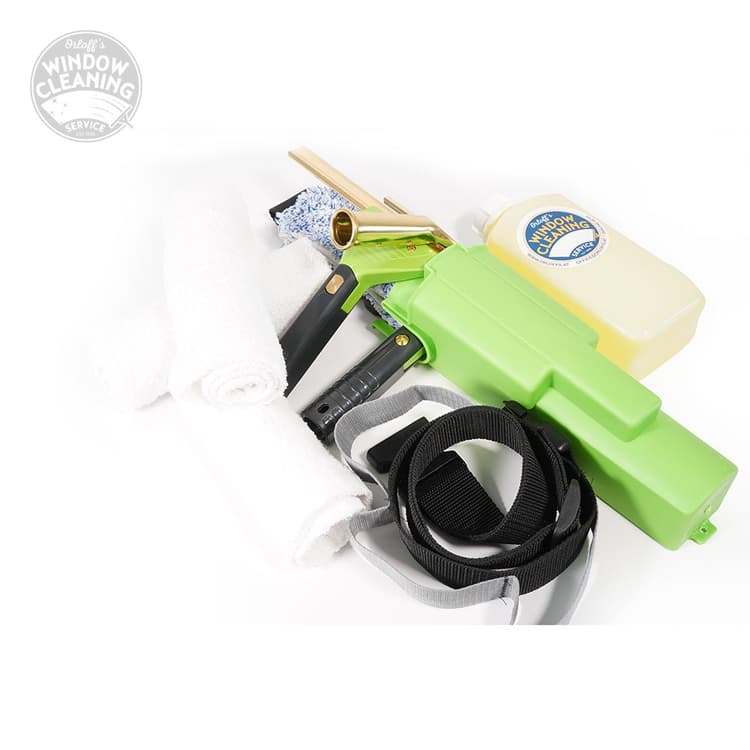
Bundle Kit
Tool Recommendations
Unger ErgoTec Ninja squeegee with extended channel
View on Amazon [coming soon]Microfibre T-bar applicator
View on Amazon [coming soon]pH-neutral cleaner verified for steel powder coat
View on Amazon [coming soon]Cleaning Frequency
Glass: 2x to 4x per year (Commercial and heritage projects often specify quarterly cleans. Residential: spring and autumn minimum.). Frames: Same schedule as glass (Steel profiles benefit from regular cleaning to prevent grime from holding moisture against the powder coat.). Corrosion check: Every clean (A 2-minute inspection for rust initiation points is the most important maintenance task on any steel window system.). Hardware lubrication: Once per year (Steel pivot hardware dries out faster than PVC or aluminium hardware in exterior exposure.)
Frequently Asked Questions
Field Notes
“Steel window systems are the most demanding material category for field cleaning. The combination of abrasion sensitivity, moisture management requirements, and the long-term corrosion risk from even small damage makes the steel protocol the strictest in the industry. Forster unico systems in residential settings are often in contemporary architect-designed properties where the client has very high expectations for finish quality. The slim profile and large glass area make any mark on the frame visible from across the room. Heritage renovation projects with Forster profiles alongside original steel windows require a dual protocol - know which product is which before applying anything.”
Justin Orloff
What's next for you?
The Skill
New to window cleaning?
Start with the core techniques before tackling premium systems.
Start Learning →The Standard
Upskill your team
Covers every system, product type, and tricky scenario.
View The Standard →Manufacturer
Partner with Orloffs
Are you Forster Profilsysteme or a similar manufacturer? Let's create official cleaning guidance together.
Get in Touch →