
Europe · Window Manufacturer
Fenster-Haus
🇦🇹 Austria · Last reviewed by Justin Orloff
Quick Facts
founded
Austrian manufacturer
hq
Austria
primaryMaterials
PVC, aluminium, timber-aluminium composite
glazingPartner
Integrated glazing by specification
marketTier
Mid-Range
Brand at a Glance
- Country: Austria
- Market position: Mid-range Austrian window and door retailer-manufacturer
- Primary materials: PVC, aluminium, timber-aluminium composite
- Product types: Tilt-and-turn windows, lift-and-slide doors, entrance doors
- Opening styles: Tilt-and-turn standard, parallel-slide, lift-and-slide
- Colour options: White PVC, powder-coated aluminium, natural timber inner with aluminium outer
- Standards: OIB guideline compliance, Austrian window certification
- Distribution: Austria, Germany, and Central European markets
- Glazing: Double and triple glazing standard
- Website: fenster-haus.at
Product Range
- PVC tilt-and-turn windows
- Aluminium windows and facade elements
- Timber-aluminium composite windows
- Lift-and-slide terrace doors
Why This System
Timber-aluminium composite products have two different cleaning protocols on the same window - the aluminium outer face and the timber inner face require different products and different techniques. Austrian OIB thermal requirements mean Fenster Haus PVC windows commonly use triple glazing - the extra glass weight in the sash means hinges and tilt hardware are under more load than on standard double-glazed units. Lift-and-slide door systems have a bottom track that collects debris from indoor foot traffic and outdoor weather simultaneously - the track needs specific cleaning attention that differs from all other product types. Warm-edge spacer systems used in Austrian mid-range glazing mean the sightline at the glass edge is slightly different from standard aluminium-spacer units - the spacer is visible and should not be cleaned with abrasive tools. Powder-coated aluminium outer cladding on timber-alu products is the same coating as on all-aluminium windows but sits over a timber substrate - impact damage to the cladding allows moisture to reach the timber below.
Step 1 of 2: Manufacturer Recommendations
Official Care Guidance
Source: ORLOFFS PROFESSIONAL GUIDANCE - BASED ON FENSTER HAUS PUBLISHED INFORMATION AND 25 YEARS FIELD EXPERIENCE
Glass
- Lukewarm water with mild dish soap or purpose-made glass cleaner. No ammonia on coated or tinted glass.
- Microfibre T-bar applicator on the wash, professional squeegee on the pull. Fresh rubber on every job.
- Triple-glazed units are heavier - do not lean on the open sash during cleaning.
- No razor blades unless you have confirmed the glass has no soft coating.
Frames
- PVC frames: pH-neutral cleaner on a damp cloth. No bleach, no solvent.
- Aluminium frames and cladding: pH-neutral cleaner. No alkaline or acidic products.
- Timber inner frames: damp cloth with timber-appropriate mild cleaner. Minimal moisture. Check wood finish condition first.
- Clear lift-and-slide bottom tracks and tilt-and-turn frame drainage slots at every clean.
Hardware
- Wipe hardware dry after cleaning - standing water on exposed steel hardware causes rust staining on adjacent frames.
- Lubricate tilt-and-turn mechanisms and hinge points annually. Triple-glazed sashes need more frequent lubrication than standard.
- Lift-and-slide bottom rollers should be wiped clean and checked for smooth operation at every visit.
Step 2 of 2: The Orloffs Protocol
The Orloffs Protocol
This is how I clean Fenster-Haus windows. The tools and technique below come from 25 years of daily professional work on the glass. Every step has been tested on real installations and adapted specifically for Fenster-Haus systems.
Pro Tools
My daily tool list. This is what I carry to every job.
Follow these steps in order. Each one builds on the last. This is the same sequence I use on every Fenster-Haus installation.
- 1
Preparation and material identification
Identify the material of each window before starting. PVC, aluminium, and timber-alu composites are present in the same property and need different products.
On timber-alu windows, check the condition of the timber inner face before any water contact. Cracked or peeling varnish or paint means the timber is not protected.
Brush down all surfaces to remove loose debris. On lift-and-slide tracks, sweep out visible debris before wetting the track.
- 2
Glass wash
Apply solution with the T-bar in full overlapping passes. On triple-glazed units, do not lean weight onto the open sash.
Dwell time of 30 to 60 seconds on any soiling before the squeegee pass.
Rinse the T-bar cover regularly - triple-glazed units are often in high-performance builds where fine grit from new construction nearby is present.
- 3
Edge detail
Run a damp cloth along the rebate groove at the glass edge before squeegeeing. Residue in the rebate deposits as a line after the squeegee pass.
On timber-alu windows, keep the edge cloth dry on the timber inner rebate side.
Wipe the top frame rail dry before squeegeeing.
- 4
Squeegee
Side-to-side passes from the top. Cut in at the top corner and angle rubber slightly away from the rebate.
Wipe rubber on a clean cloth after every pass to prevent frame smearing.
Finish with a bottom-edge pass to clear the accumulated bead.
- 5
Frame wipe-down by material
PVC and aluminium frames: pH-neutral cleaner on a damp cloth, rinse, dry. Work top to bottom.
Timber inner faces on composite windows: minimal-moisture damp cloth with timber cleaner. Do not over-wet. Dry immediately with a clean cloth.
Clear drainage slots and lift-and-slide tracks with a soft brush after all frame cleaning is complete.
- 6
Hardware and operation check
Run each window through full operation. Tilt-and-turn: tilt, turn, close, lock. Lift-and-slide: open, slide full travel, close, lock.
On triple-glazed tilt-and-turn, note any sash droop when tilted fully open - a drooping sash means hinge adjustment or replacement is needed.
Dry all hardware and note any stiff points for the annual lubrication visit.
Pro Tips
- On timber-alu composite windows, the aluminium outer face and the timber inner face are part of the same product but need separate cleaning passes with separate products.
- Triple-glazed sashes are heavy enough to pull hinge screws loose from soft plaster or timber frames over time. A sash that drops when opened is usually a loose hinge screw.
- Lift-and-slide bottom tracks trap grit that then gets transferred onto the roller mechanism. A track swept dry before washing lasts significantly longer than one that gets hosed out.
- Warm-edge spacers around the glass unit edge are not cleaning marks - they are the edge seal system. Do not scrub them.
- On colour-foil PVC, test new products on a bottom corner first. Austrian mid-range PVC commonly uses darker foil colours that show chemical damage faster than white.
- If a tilt-and-turn handle is stiff on the turn function but easy on the tilt function, the locking rod guides need lubrication specifically at the corner gearbox point.
- Austrian buildings often have external roller shutters on the same window opening. The shutter housing at the top of the window frame collects debris that falls onto the glass during cleaning - brush the housing first.
What NOT To Do
- Do not use the same cleaner on timber inner faces as on aluminium or PVC outer faces - timber needs a specific low-moisture approach.
- Do not lean on or support weight against an open triple-glazed sash - the extra weight means the sash can pull hinges under load.
- Do not use bleach or solvent on PVC frames - yellowing on white PVC and foil lift on colour profiles.
- Do not leave lift-and-slide tracks wet and unswept - standing water in the track carries grit into the roller mechanism.
- Do not ignore sash droop on triple-glazed tilt-and-turn windows - the droop worsens and eventually prevents the window from closing and sealing correctly.
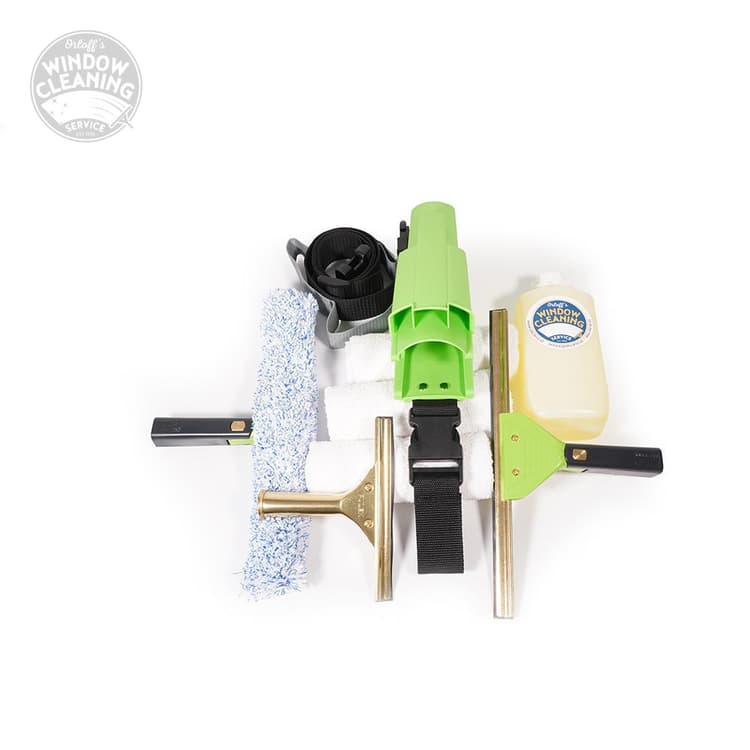
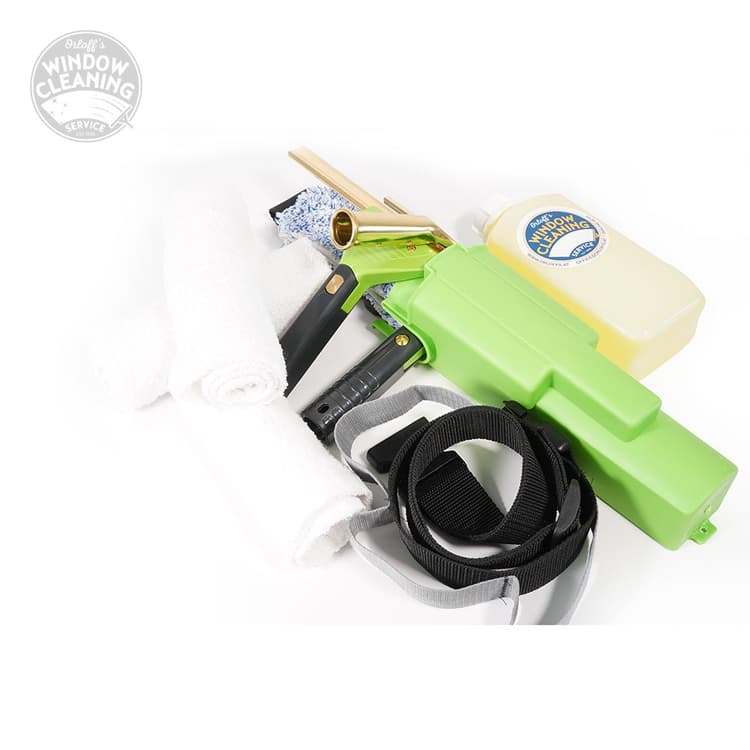
Bundle Kits and Tool Recommendations
Bundle Kit
Tool Recommendations
Unger ErgoTec Ninja squeegee
View on Amazon [coming soon]Microfibre T-bar applicator
View on Amazon [coming soon]pH-neutral frame cleaner
View on Amazon [coming soon]Cleaning Frequency
Glass: 2x per year minimum (Spring and autumn. Alpine and rural locations accumulate pollen and organic debris - consider 3x.). Frames: 2x per year (Same visit as glass. Timber inner faces on composite windows may need quarterly condition checks.). Drainage slots and tracks: Every clean (Lift-and-slide tracks are a priority at every visit.). Hardware lubrication: Once per year (More frequently on triple-glazed tilt-and-turn due to increased hinge and tilt mechanism load.)
Frequently Asked Questions
Field Notes
“Timber-alu composite windows are the most satisfying product to clean well and the most damaging to clean carelessly. The two-material protocol adds time but prevents expensive timber remediation. Austrian mid-range windows at this tier commonly use triple glazing as standard - the sash weight catches cleaners used to lighter central European double-glazed units off guard. Lift-and-slide terrace door tracks in Austrian properties are often installed flush with the internal floor level - external debris washes directly into the track after rain and needs clearing at every clean.”
Justin Orloff
What's next for you?
The Skill
New to window cleaning?
Start with the core techniques before tackling premium systems.
Start Learning →The Standard
Upskill your team
Covers every system, product type, and tricky scenario.
View The Standard →Manufacturer
Partner with Orloffs
Are you Fenster-Haus or a similar manufacturer? Let's create official cleaning guidance together.
Get in Touch →