
North America · Window Manufacturer
Euro-Wall
🇺🇸 USA · Last reviewed by Justin Orloff
Quick Facts
founded
American minimalist glass wall system manufacturer
hq
United States
primaryMaterials
Aluminium extrusion profiles, powder-coated and anodised; large-format glazing
glazingPartner
Project-specified glazing - typically laminated, tempered, or laminated-tempered combinations
marketTier
Premium
Brand at a Glance
- Country: United States
- Market position: Premium minimalist aluminium sliding and folding glass wall systems
- Primary material: Aluminium extrusions - anodised and powder-coated; large-format tempered and laminated glazing
- Key systems: Sliding glass walls, bi-fold glass walls, pivot door systems, fixed glass walls
- Panel size: Individual panels up to 1,800 mm wide, 4,000 mm tall depending on system
- Colour options: Standard anodised clear, black, and bronze; extended powder-coat in custom colours
- Hardware: Precision American and European track and running gear - concealed where possible
- Glazing: Tempered, laminated, and laminated-tempered - project-specified glazing packages
- Market: Premium US residential, hospitality, and commercial
- Website: euro-wall.com
Product Range
- Sliding Glass Wall Systems
- Bi-Fold Glass Wall Systems
- Pivot Door Systems
- Fixed and Framed Glass Wall
Why This System
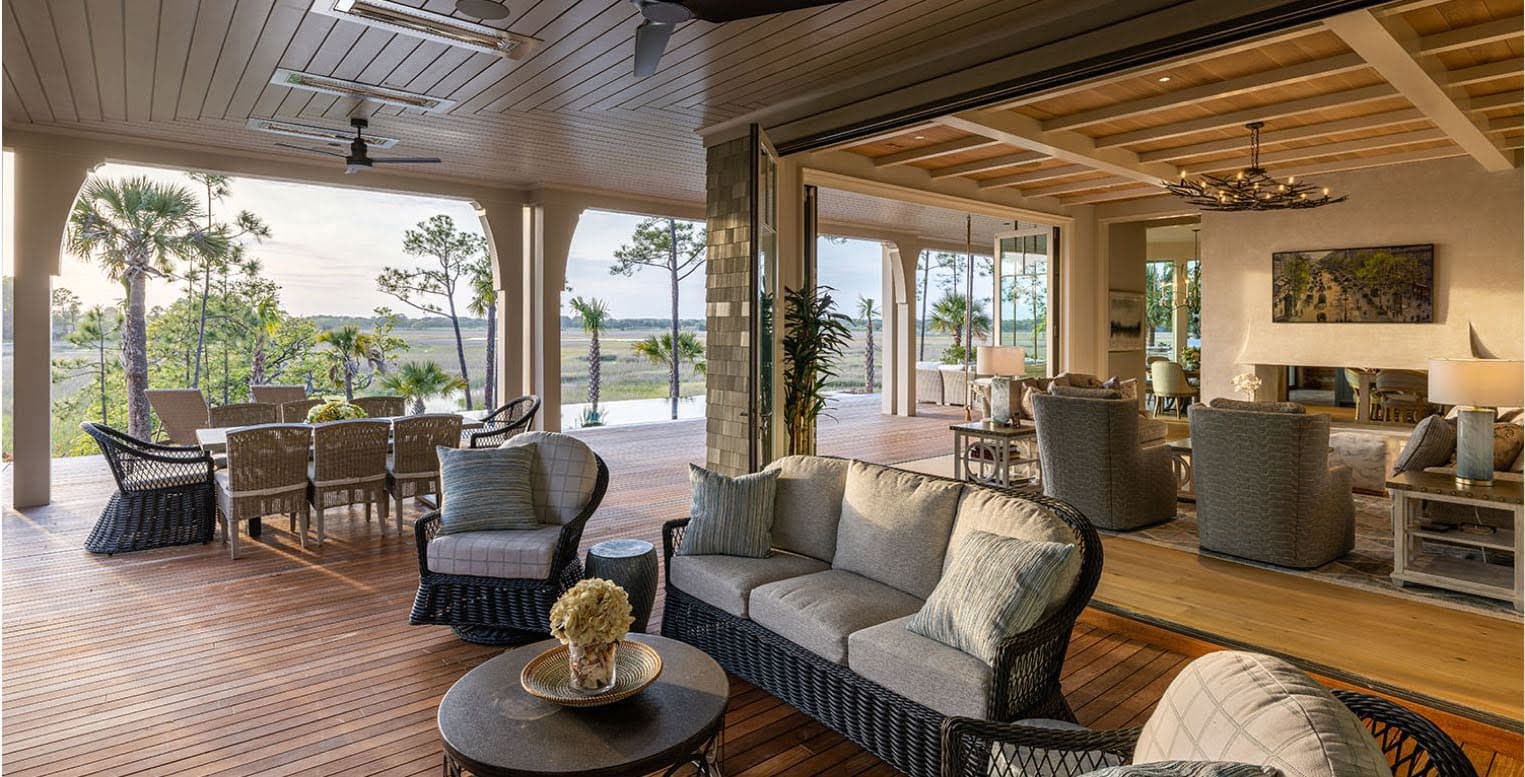
Euro-Wall panels are substantially larger than standard residential windows - individual glass panels are often 1.5 to 1.8 metres wide and 2.4 to 4 metres tall. The technique, tools, and access requirements for cleaning panels of this size are fundamentally different from standard residential work. The minimalist aluminium frame in Euro-Wall systems is part of the design intent - visible frame members are as thin as the engineering allows. This means any scratch, mark, or surface damage on the aluminium is immediately visible and cannot be hidden by the frame geometry. Glass specification in Euro-Wall systems is always project-specific and always involves tempered, laminated, or laminated-tempered glass. This glass is not standard residential double-glazing - the cleaning requirements differ and the consequences of using the wrong tools are more severe. The track system in Euro-Wall sliding and bi-fold systems is precision-engineered and runs the full opening width. The track condition directly affects panel operation - grit or residue in the track changes the running feel and accelerates hardware wear. Premium residential and hospitality clients who specify Euro-Wall systems have very high expectations of the visual result. A streak, mark, or frame blemish that would be acceptable on a standard window is immediately noticeable on a wall of glass in a premium interior.
Step 1 of 2: Manufacturer Recommendations
Official Care Guidance
Source: ORLOFFS PROFESSIONAL GUIDANCE - BASED ON EURO-WALL PUBLISHED INFORMATION AND 25 YEARS FIELD EXPERIENCE
Glass
- Lukewarm water with minimal mild soap. On large panels, excessive soap creates foam that requires additional rinsing passes to remove fully. Less soap is better on large-format glass.
- Large microfibre applicator or T-bar (45 cm minimum) on the wash, wide-channel squeegee (55 cm or larger) on the pull. Fresh rubber blade at the start of every session.
- No razor blades on any Euro-Wall glass - all panels are tempered, laminated, or laminated-tempered. A chip from a razor blade in tempered glass is a total panel replacement. No exceptions.
- On the squeegee pull, overlap each pass by a minimum of 5 cm. On large panels, a missed section between passes is visible from across the room.
Frames
- Wipe the minimal aluminium frame members with a damp cloth and pH-neutral aluminium-safe cleaner. Use a microfibre cloth, not cotton - microfibre is softer on the anodised or powder-coat surface.
- No acid-based cleaners on anodised aluminium - permanent surface damage. No concentrated alkali on powder-coat - chalking and etching.
- No abrasive cloths, pads, or tools on the frame surface. The minimalist frame is the most visible aluminium surface per unit area on any architectural glass system - treat it accordingly.
- Dry the frame surface immediately after rinsing. Water marks on a 20 mm frame member are more visible than on a 70 mm residential frame.
Hardware
- Clean the track system at every visit using a soft brush and clean water. Rinse the track thoroughly and dry before operating the panels.
- Wipe visible hardware (handles, flush pulls, pivot hinges) with a damp microfibre cloth and dry immediately. Do not apply cleaning products to precision hardware components - clean water only.
- Hardware lubrication on Euro-Wall systems should be performed by the installer or a qualified specialist at the intervals specified in the installation documentation - typically annually. Do not apply lubricant to track systems or running gear without knowing the specified lubricant type.
Step 2 of 2: The Orloffs Protocol
The Orloffs Protocol
This is how I clean Euro-Wall windows. The tools and technique below come from 25 years of daily professional work on the glass. Every step has been tested on real installations and adapted specifically for Euro-Wall systems.
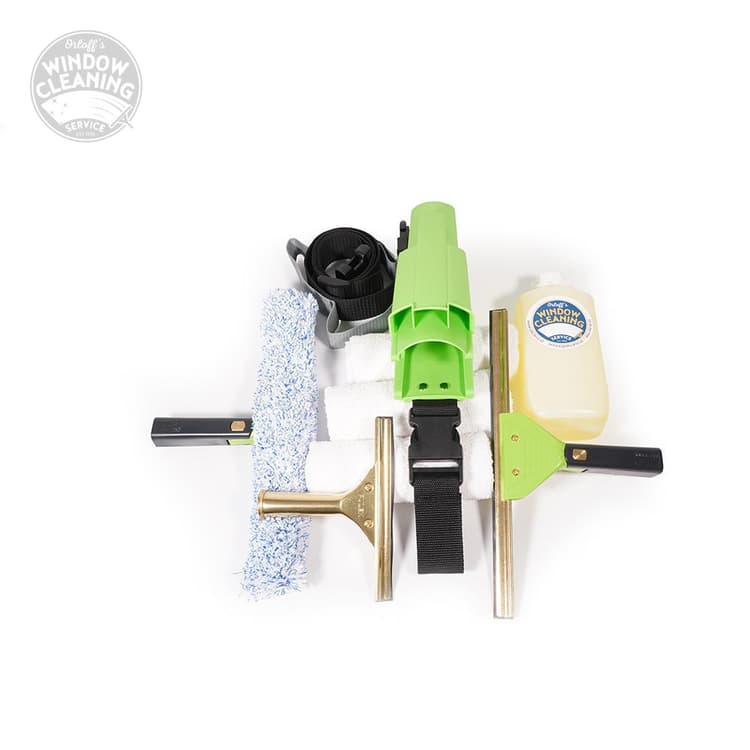
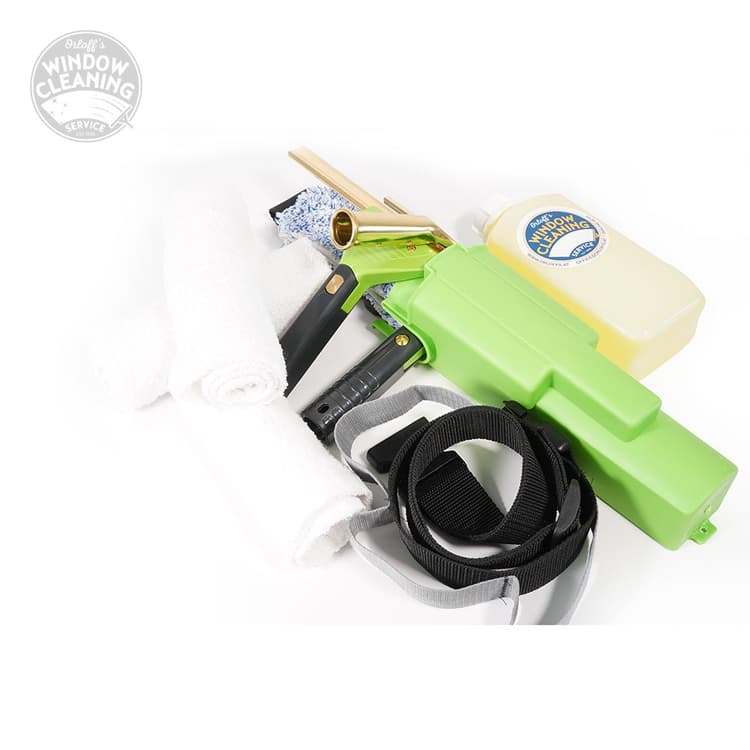
Pro Tools
My daily tool list. This is what I carry to every job.
Follow these steps in order. Each one builds on the last. This is the same sequence I use on every Euro-Wall installation.
- 1
Assessment and access planning
Before starting on a Euro-Wall installation, assess the panel sizes, heights, and access requirements. Note whether any panels require ladder or access equipment to reach the top section. Plan the sequence - panels cannot always be cleaned in a simple left-to-right sequence if access equipment needs repositioning.
Confirm the glass specification if possible - from the installation documentation or by asking the client. Tempered, laminated, or laminated-tempered glass all clean with the same technique, but knowing the specification allows you to answer client questions and confirms that no hard tools are appropriate.
Inspect the track system before cleaning. Note the debris level - grit volume in the track, insect material, or any visible damage to the track surface. This determines the track cleaning approach and time needed.
- 2
Track cleaning
Clean the track before cleaning the glass - not after. Debris disturbed from the track during glass cleaning falls back into the track and re-contaminates it.
Brush out the track channel with the wide-format bristle brush. Work from one end to the other, collecting debris at the end of the track. On long track runs (6 metres or more), work in sections.
Rinse the track with clean water - not with soapy solution. Soap residue in the track mixes with the track lubricant and creates a sticky residue that collects grit faster than a clean track. Dry the track with a cloth before the glass cleaning begins.
- 3
Glass wash
Mix a very small amount of soap in a large bucket. On large-format glass panels, excess soap creates more foam than can be squeegeed off cleanly. Use less soap than you would on a standard residential window.
Apply solution to the glass with the 45 cm applicator. On a 1.8 metre wide panel, two overlapping vertical passes of the applicator covers the full width. Start at the top and work down - solution runs down the panel and should not be applied below an already-washed section.
On tall panels (above 2.5 metres), use the handle extension system to apply solution to the upper section before starting the lower section. Do not climb to reach the upper section with a short applicator - the result is inconsistent and the risk to the glass surface increases with reaching and stretching.
- 4
Squeegee technique on large panels
Start with a horizontal cut-in at the very top of the glass - one firm pass with the squeegee horizontal, clearing the top 50 mm of the panel. This removes the solution bead from the top edge and prevents it dripping down the panel during the main squeegee passes.
Use a fanning technique from the top of the panel to the bottom. Each fan pass should overlap the previous by a minimum of 5 cm. On a 1.8 metre wide panel, the fan arc of a 55 cm squeegee covers the full width in 3 to 4 passes.
Finish with a horizontal pass along the bottom edge to collect the bead that has accumulated there. Direct the bead toward the track drainage point rather than into the track channel.
- 5
Pure water final rinse (recommended)
On premium Euro-Wall installations where the visual standard is very high, a pure water final rinse eliminates the mineral deposits that cause drying marks on large glass surfaces.
Apply purified or deionised water to the glass with a clean applicator after the squeegee pass. The pure water sheeting across the glass surface after the squeegee carries residual soap and mineral deposits to the edge of the panel.
On water-fed pole installations, the pure water rinse replaces the bucket-and-squeegee sequence entirely - the brush agitates the glass, the pure water rinses it clean, and the water sheets off without mineral deposits.
- 6
Frame wipe and final inspection
Wipe each aluminium frame member with a fresh microfibre cloth and pH-neutral cleaner. On minimalist systems with 20 mm frame members, each frame member needs individual attention - a cloth wiped across multiple frame members picks up grime from one and deposits it on the next.
Dry each frame member immediately after wiping. On dark anodised or dark powder-coat frames (black is popular on US residential Euro-Wall installations), water marks are immediately visible.
Step back to the viewing distance - at least 5 metres - and inspect each panel for streaks, marks, or missed sections. At this viewing distance, any imperfection is visible. Rework anything that does not meet the standard before leaving.
Pro Tips
- On Euro-Wall black anodised systems, which are very popular in the US premium residential market, every smear and water mark shows immediately. The final microfibre wipe on black anodised frames is as important as the glass cleaning itself.
- Large-format tempered glass panels flex slightly under squeegee pressure - this is normal and is not a sign of glass damage. Light, consistent squeegee pressure produces better results on large tempered panels than heavy pressure.
- The track system on a Euro-Wall sliding wall accumulates more debris than a standard window track because more floor traffic passes through the full opening when the panels are open. Clean the track at every visit, not just the annual service.
- On pivot door installations, the pivot point at the top and bottom of the door accumulates grime from the rotation of the door through the pivot bearing. A soft cloth with a small amount of cleaner around the pivot housing keeps this area clean and allows inspection of the pivot condition.
- Hard water marks on large glass panels are significantly more visible than on small residential windows. If the property is in a hard water area, negotiate a pure water final rinse into the contract from the start - it prevents a problem that is expensive to resolve reactively.
- On bi-fold systems where the panels fold and stack to one side, the individual panel widths are narrower than on a sliding system. The squeegee technique reverts to a standard vertical pass or narrow fan on these narrower panels - a wide fanning technique overshoots the panel edge.
- US-market Euro-Wall installations often have no visible drainage at the threshold - the track is designed to direct any water to a concealed drain point at the end of the track. Identify the drain point on the first visit and ensure it is clear before cleaning begins.
What NOT To Do
- No razor blades on any Euro-Wall glass - all panels are tempered or laminated. A chip in tempered glass is a total panel replacement.
- No acid-based cleaners on anodised aluminium frame members.
- No abrasive cloths or pads on the minimal aluminium frame surface - any scratch is visible.
- Do not clean the glass before cleaning the track - debris from the track contaminates the freshly cleaned glass.
- Do not apply lubricant to Euro-Wall track systems without knowing the specified lubricant - wrong lubricant collects grit and damages the running gear.
Bundle Kits and Tool Recommendations
Bundle Kit
Tool Recommendations
Ettore Master squeegee, 65 cm channel
View on Amazon [coming soon]Large microfibre applicator, 45 cm
View on Amazon [coming soon]pH-neutral aluminium-safe glass and frame cleaner
View on Amazon [coming soon]Cleaning Frequency
Glass: 4x per year minimum on residential (Quarterly minimum. Hospitality and commercial with heavy daily use: monthly or bi-monthly.). Track system: Every glass clean (Track cleaning before every glass clean. The track condition determines the system's operation and hardware wear rate.). Frame and hardware wipe: Every glass clean (Minimal aluminium frames show marks immediately. Wipe at every visit.). Hardware lubrication and adjustment: Annual by specialist (Euro-Wall track and running gear lubrication should be performed by the installer or qualified specialist at the schedule in the installation documentation.)
Frequently Asked Questions
Field Notes
“Euro-Wall sliding systems in US premium residential properties are typically installed as the centerpiece of an indoor-outdoor living space. The owner's relationship with this system is close - they open and close it daily and notice changes in appearance and operation immediately. Cleaning quality and condition reporting matter more here than on most residential installations. The track cleaning on a Euro-Wall system at a coastal US property (California, Florida, Hawaii) requires salt removal in the same way that any coastal aluminium system does - pre-rinse before brushing and rinse after to remove all salt residue from the track channel. Bi-fold Euro-Wall systems in commercial hospitality settings (restaurant fronts, bar openings) are opened and closed multiple times per day. The track wear on these systems is significantly faster than on residential equivalents - maintenance intervals should reflect commercial use frequency, not residential use frequency.”
Justin Orloff
What's next for you?
The Skill
New to window cleaning?
Start with the core techniques before tackling premium systems.
Start Learning →The Standard
Upskill your team
Covers every system, product type, and tricky scenario.
View The Standard →Manufacturer
Partner with Orloffs
Are you Euro-Wall or a similar manufacturer? Let's create official cleaning guidance together.
Get in Touch →