Europe · Window Manufacturer
ABC Janelas
🇵🇹 Portugal · Last reviewed by Justin Orloff
Quick Facts
founded
Not publicly stated
hq
Portugal
primaryMaterials
PVC, timber, and timber-aluminium composite
glazingPartner
Varies by specification
marketTier
Mid-Range
Brand at a Glance
- Country: Portugal
- Product type: Finished windows and doors
- Frame materials: PVC, timber, and timber-aluminium composite
- Market: Portuguese domestic residential and renovation
- Window types: Casement, tilt-and-turn, sliding, entrance doors
- Standards: CE marked
- Climate design: Atlantic coastal and inland Portuguese conditions
- Renovation suitability: Timber and timber-alu suited to heritage and older building stock
- Market tier: Mid-Range
- Glazing: Double IGU standard, triple available
Product Range
- PVC windows and doors
- Timber windows
- Timber-aluminium composite windows
- Entrance and balcony doors
Why This System
Three-material product range (PVC, timber, timber-alu) in a single manufacturer is unusual and serves the Portuguese market's wide spectrum of building types and age profiles. Timber-aluminium composite windows combine the low thermal conductivity of timber with the weather resistance and low external maintenance of aluminium cladding. Portuguese coastal climate context informs product engineering choices, particularly on hardware corrosion resistance and seal specifications. Renovation market focus means ABC Janelas products are often installed as replacements in older buildings where window geometry may be non-standard. Mid-range pricing makes timber-alu composite accessible to renovation projects where the premium charged by some northern European timber-alu manufacturers would be prohibitive.
Step 1 of 2: Manufacturer Recommendations
Official Care Guidance
Source: ORLOFFS PROFESSIONAL GUIDANCE - BASED ON ABC JANELAS PUBLISHED INFORMATION AND 25 YEARS FIELD EXPERIENCE
Glass
- pH-neutral glass cleaner and microfibre cloth with rubber squeegee on all IGU types.
- On Atlantic-facing facades, rinse glass with clean water before applying cleaner to float salt deposits off the surface rather than abrading them.
- Check glazing gaskets annually - Atlantic coastal exposure accelerates rubber degradation.
- On timber and timber-alu windows, inspect the glazing rebate seal carefully - water tracking into the timber rebate area causes wood swelling and paint failure.
- Condensation between panes means IGU seal failure and requires professional replacement.
Frames
- PVC frames: warm water and pH-neutral detergent on a soft cloth. No abrasives or solvents.
- Timber-alu external faces (aluminium): pH-neutral detergent, rinse thoroughly, dry, apply paste wax in coastal locations.
- Timber interior faces: wipe clean with a barely damp cloth. Never soak timber frames with wet cleaning solution.
- Solid timber frames: inspect paint or stain condition annually. Failing coating on timber must be addressed before moisture penetration begins.
- Clear drainage slots and any weep holes in all frame types every 6 months.
Hardware
- Lubricate all hinges, pivot points, and multipoint locking bars twice yearly with PTFE spray or light machine oil.
- In Atlantic coastal locations, use marine-grade lubricant on all hardware.
- On timber windows, hardware screws fixed into timber may loosen over time as wood moves seasonally - check tightness annually.
- Inspect hinge fixings on timber frames for rust bleed - steel screws in timber in coastal conditions corrode and stain the timber around them.
- Replace standard steel screws with stainless steel if rust bleed is a recurring problem on timber or timber-alu hardware fixings.
Step 2 of 2: The Orloffs Protocol
The Orloffs Protocol
This is how I clean ABC Janelas windows. The tools and technique below come from 25 years of daily professional work on the glass. Every step has been tested on real installations and adapted specifically for ABC Janelas systems.
Pro Tools
My daily tool list. This is what I carry to every job.
Follow these steps in order. Each one builds on the last. This is the same sequence I use on every ABC Janelas installation.
- 1
Identify frame material per window
Confirm whether each window is PVC, timber, or timber-alu composite before starting - all three may be present in the same building.
For timber-alu, confirm that the external face is aluminium (clean like aluminium) and note the interior timber face condition.
Note the building's coastal proximity and adjust maintenance intensity accordingly.
- 2
Inspect timber frames from inside
On timber and timber-alu units, inspect the interior timber face for moisture staining, mould, or paint failure before any wet cleaning.
Check hinge fixing screws in timber frames for rust bleed and looseness.
On solid timber frames, check the full exterior paint or stain condition - failing coatings need treatment before the season, not after.
- 3
Clean glass
On Atlantic-facing windows, wet the glass with clean water first before applying cleaner - this floats salt deposits rather than grinding them.
Apply pH-neutral glass cleaner and squeegee each pane top to bottom.
Dry frame rebates, paying particular attention to timber window glazing rebates where water accumulation causes wood swelling.
- 4
Clean frame faces by material
PVC and aluminium faces: pH-neutral detergent solution, soft cloth, rinse, dry.
Timber interior faces: barely damp soft cloth only. No cleaning solution pooling on timber.
In coastal locations, apply paste wax to all external aluminium faces after drying.
- 5
Lubricate hardware
Apply marine-grade PTFE on coastal locations, standard PTFE inland, to all hinge knuckles and locking points.
On timber frames, check screw tightness at hardware fixings before lubricating.
Operate through full function cycles and wipe excess from all surfaces.
- 6
Final check and coating assessment
Lock and check all windows. Note any faults.
Record paint or stain condition on all timber and timber-alu windows with a RAG (red/amber/green) status - this drives the coating maintenance schedule.
Record service date and material type per window.
Pro Tips
- Never use the same cloth for timber interior faces and aluminium or PVC exterior faces. Residues from pH-neutral detergent left on timber faces over years contribute to surface finish breakdown.
- Timber-alu composite windows are the best of both worlds in theory, but only if the aluminium-to-timber connection detail is correctly sealed at installation. Water that gets between the aluminium cladding and the timber core causes timber swelling that no maintenance can address.
- On Atlantic-facing Portuguese facades, the salt load from westerly weather systems is significant. Monthly cleaning during the October-March storm season is not excessive.
- Solid timber windows need their exterior paint or stain assessed every year. Failing paint on one face allows moisture penetration that causes wood swelling, which then causes the paint to fail on adjacent faces. Catching one face saves the whole frame.
- Hardware screws in timber frames should be stainless steel in any location within 10km of the Atlantic coast. Standard steel screws corrode within a few years and stain the surrounding timber.
- PVC windows from ABC Janelas in the Portuguese climate last well. The main age-related issue is seal compression - check the sash compression seal condition on any window over 10 years old.
- The interior of timber-alu composite frames should be inspected from inside the building once a year. External aluminium cladding that appears perfect can conceal timber that has been wetting from interior condensation.
What NOT To Do
- Do not soak timber window frames or timber-alu interior faces with wet cleaning solution.
- Do not use abrasive materials on PVC, aluminium, or timber faces.
- Do not ignore failing paint on solid timber frames - early treatment prevents structural moisture damage.
- Do not use standard steel screws for hardware fixings on timber frames within 10km of the Atlantic coast.
- Do not apply solvent-based cleaners to PVC or foil-laminated surfaces.
Bundle Kits and Tool Recommendations
Bundle Kit
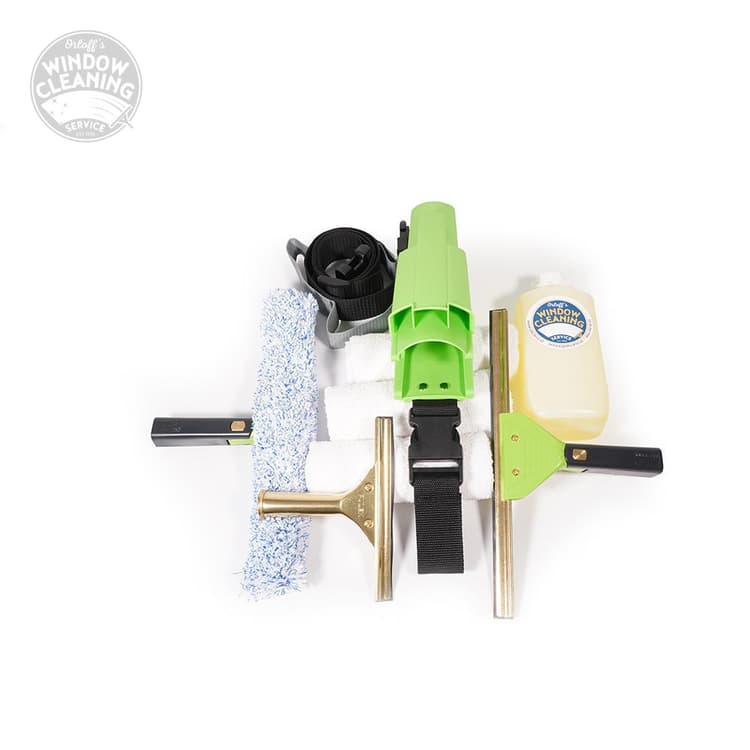
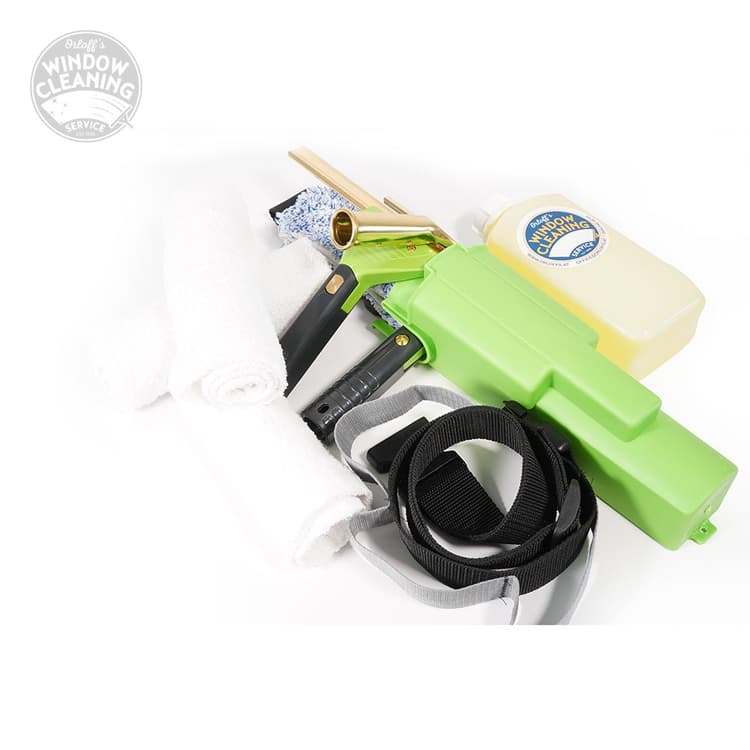
Tool Recommendations
pH-neutral window and frame cleaning solution
View on Amazon [coming soon]Microfibre window cloths (large pack)
View on Amazon [coming soon]Marine-grade PTFE hardware lubricant
View on Amazon [coming soon]Cleaning Frequency
Glass cleaning: Monthly on Atlantic coastal, every 6 weeks inland (Storm season October-March may justify fortnightly on exposed facades.). Frame cleaning: Every 2-3 months coastal, every 4 months inland (Wax on aluminium faces at each clean in coastal zone.). Hardware lubrication: Twice yearly (Marine-grade lubricant in coastal locations.). Timber coating assessment: Annually (Exterior paint or stain condition check on all timber and timber-alu units. Full recoat every 5-8 years depending on condition.)
Frequently Asked Questions
Field Notes
“Timber-aluminium composite windows are the most rewarding product type to maintain correctly - the combination of materials performs excellently when cared for and degrades badly when not. Portuguese Atlantic coastal buildings are among the most demanding window maintenance environments in Europe. The combination of driving rain, salt air, and UV is closer to Nordic coastal conditions than Mediterranean in terms of maintenance intensity. ABC Janelas' three-material range means a single maintenance visit to a Portuguese property may involve three entirely different frame care protocols. Preparation and the correct products for each material type is essential.”
Justin Orloff
What's next for you?
The Skill
New to window cleaning?
Start with the core techniques before tackling premium systems.
Start Learning →The Standard
Upskill your team
Covers every system, product type, and tricky scenario.
View The Standard →Manufacturer
Partner with Orloffs
Are you ABC Janelas or a similar manufacturer? Let's create official cleaning guidance together.
Get in Touch →